The sea
Mast, sail and oars
One mast and a square sail · a small foresail · oars for calms, harbors and war
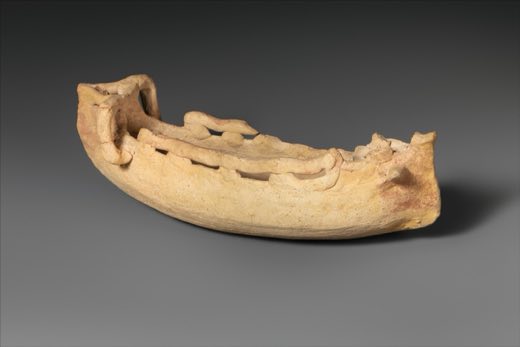
Ezekiel’s lament for Tyre describes a ship from end to end: planking of cypress, “a cedar from Lebanon to make a mast”, oars of oak from Bashan, and a sail of “embroidered fine linen from Egypt” (Ezekiel 27:5–7). Most ships of the time had one mast with a single broad, square sail hung from a yard. It drove the ship well with the wind behind it and poorly against it, which is why Luke so often writes of sailing to the shelter of an island: “we sailed to the lee of Cyprus because the winds were against us” (Acts 27:4). Large Roman ships also carried a small sail at the bow, and at Malta the crew “hoisted the foresail to the wind and made for the beach” (Acts 27:40).
Oars moved ships in harbors, in calms and in battle. Merchant ships depended mainly on the wind; warships were long and narrow and were rowed by banks of oarsmen. The men of Sidon and Arvad were Tyre’s oarsmen (Ezekiel 27:8). The fishing boats of the Sea of Galilee were rowed as well as sailed, and one night the disciples were “straining to row, because the wind was against them” (Mark 6:48). Without its rigging a ship was helpless: Isaiah pictures an enemy whose “ropes are slack; they cannot secure the mast or spread the sail” (Isaiah 33:23).
See also
- Tyre, Sidon and the ships of TarshishThe sea
- Merchant ships and grain shipsThe sea
- Boats on the Sea of GalileeThe sea
- Cedar of LebanonPlants of the Bible
- Anchors and soundingsThe sea
- Sailors, captains and the pilotThe sea
Sources: Tyndale Open Bible Dictionary © 2023 Tyndale House Publishers, CC BY-SA 4.0 — adapted and shortened; the original work is available for free at tyndaleopenresources.com · Sources and rights