Encyclopedia › Plants of the Bible
Plants of the Bible
Hyssop
Hebrew ezov · Greek hyssōpos · probably Syrian marjoram
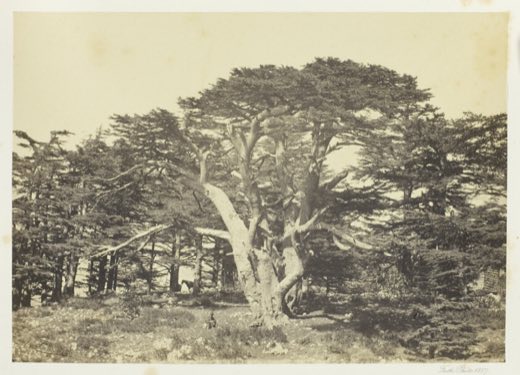
The plant the Bible calls hyssop is not the garden herb that bears that name today, which grows wild only in southern Europe. Many botanists think it was Syrian marjoram, also called Syrian oregano, a small aromatic plant of the mint family that grows in rock crevices and old walls — as in Solomon’s range of plants “from the cedar in Lebanon to the hyssop growing in the wall” (1 Kings 4:33). Its dried leaves are still the main herb in the spice mix za’atar.
A bunch of its hairy, leafy stems holds liquid well, so it served as a sprinkler. At the first Passover a cluster of hyssop brushed blood on the doorframes, and in the Law hyssop was used to sprinkle water in rites of cleansing. In John 19:29 a sponge of sour wine is lifted to Jesus’ mouth on “a stalk of hyssop”; Matthew and Mark say “a reed”. A marjoram stalk seems short for this, so by one view a taller plant such as sorghum is meant; by another, a bunch of hyssop was tied to a reed.
Sources
Adapted and shortened from the Tyndale Open Bible Dictionary · CC BY-SA 4.0
Tyndale Open Bible Dictionary © 2023 Tyndale House Publishers · CC BY-SA 4.0 — Plants: Hyssop (Origanum maru); Hyssop
Adapted from Tyndale Open Bible Dictionary: articles chosen, shortened and retold in our own words (history, nature and daily life only) and, in languages other than English, machine-translated. The original work by Tyndale House Publishers is available for free at tyndaleopenresources.com.