Encyclopedia › Plants of the Bible
Plants of the Bible
Aloes
Hebrew ’ahalim · Greek aloē · KJV “lign aloes” · agarwood and aloe vera
The word aloes in English Bibles covers two quite different plants. In the Old Testament ’ahalim is most likely agarwood, also called eaglewood, from a tall tree of northern India and Southeast Asia. When the tree is infected by a certain fungus, its heartwood fills with a dark, sweet-smelling resin, and chips of this wood were burned as incense or used in perfume. It was among the costliest of fragrances, and in the Bible it is almost always named with myrrh. Some scholars doubt that it reached Israel so early, but no better candidate has been found.
The aloes that Nicodemus brought for Jesus’ burial, mixed with myrrh, may instead be the true aloe, Aloe vera — a plant with thick, fleshy, spiny leaves from southern Arabia and Africa, whose bitter juice was used in medicine and embalming. Balaam’s poem compares Israel’s tents to “aloes the LORD has planted” beside water (Numbers 24:6); since agarwood does not grow by streams, some think another plant is meant there.
In nature
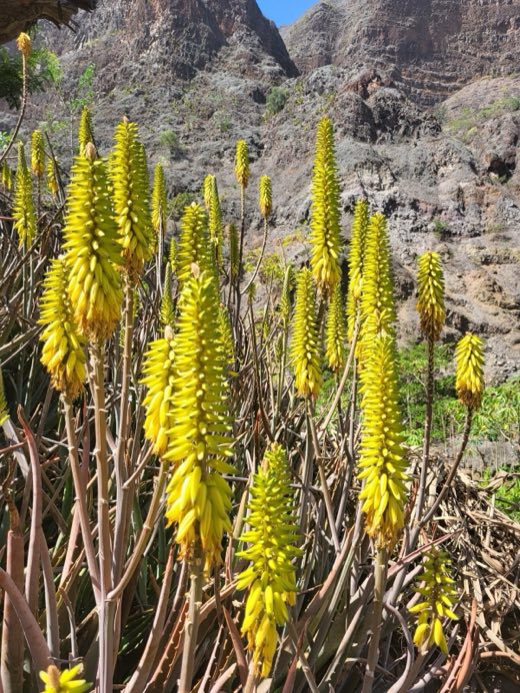
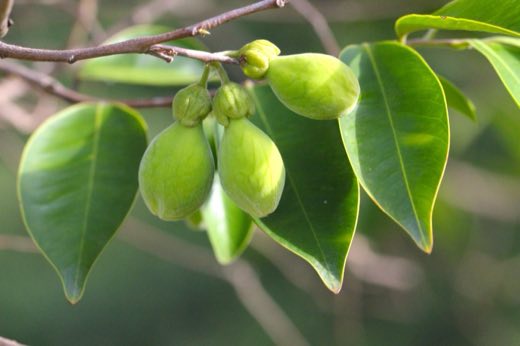
All verses with this plant (5)
Where the Hebrew, Aramaic or Greek word for it stands in the text.
Numbers1
They spread out like palm groves, like gardens beside a stream, like aloes the LORD has planted, like cedars beside the waters.Psalms1
All your garments are fragrant with myrrh and aloes and cassia; from palaces of ivory the harps make you glad.Proverbs1
I have perfumed my bed with myrrh, with aloes, and with cinnamon.Song of Songs1
with nard and saffron, with calamus and cinnamon, with every kind of frankincense tree, with myrrh and aloes, with all the finest spices.John1
Nicodemus, who had previously come to Jesus at night, also brought a mixture of myrrh and aloes, about seventy-five pounds.All verses on this topic
See also
- MyrrhPlants of the Bible
- Cinnamon and cassiaPlants of the Bible
- Tombs and burialHome and family
- Scented beds, clothes and roomsTrade, craft and color
- Spices for the deadTrade, craft and color
Sources: Tyndale Open Bible Dictionary © 2023 Tyndale House Publishers, CC BY-SA 4.0 — adapted and shortened; the original work is available for free at tyndaleopenresources.com · Plants and Trees in the Bible © United Bible Societies 2025, adapted from R. Koops, Each According to its Kind © 2012 UBS, CC BY-SA 4.0 · Sources and rights