Encyclopedia › Trade, craft and color
Trade, craft and color
Scented beds, clothes and rooms
Myrrh, aloes and cinnamon · scent kept in clothes and beds · incense burners in houses
In a hot land with little water to spare for washing, scent was part of daily comfort for those who could afford it. Clothes were stored with fragrant woods and resins and took on their smell: a royal psalm says, “All your garments are fragrant with myrrh and aloes and cassia” (Psalm 45:8), and in the Song of Songs the fragrance of the bride’s garments is “like the aroma of Lebanon” (Song of Songs 4:11). Beds were sprinkled with perfume — “I have perfumed my bed with myrrh, with aloes, and with cinnamon” (Proverbs 7:17) — and guests were welcomed with oil and scent.
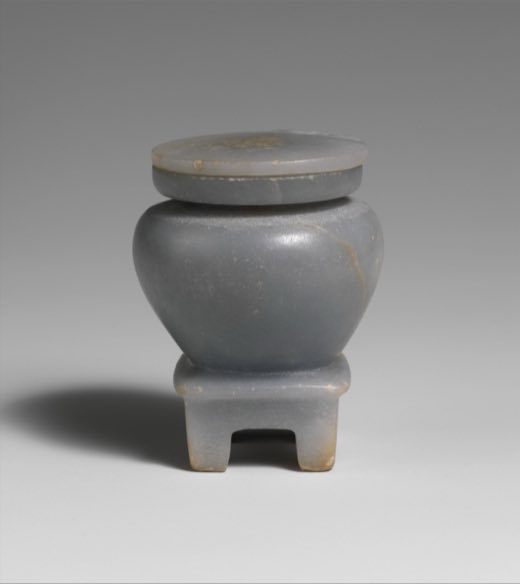
Rooms were sweetened by burning incense in small burners of clay or stone. Many little limestone incense altars have been found in houses and storerooms of the Iron Age, at Ekron and elsewhere; whether a given one served worship or only freshened the air is often debated. When the blind Isaac kissed Jacob, dressed in Esau’s finest clothes, he smelled them and said, “the smell of my son is like the smell of a field that the LORD has blessed” (Genesis 27:27), and when Mary poured nard on Jesus’ feet at Bethany “the house was filled with the fragrance of the perfume” (John 12:3).
See also
- Perfume, myrrh and nardClothing and adornment
- AloesPlants of the Bible
- MyrrhPlants of the Bible
- Beds, cushions and rugsHome and family
- Spices for the deadTrade, craft and color
Sources: Tyndale Open Bible Dictionary © 2023 Tyndale House Publishers, CC BY-SA 4.0 — adapted and shortened; the original work is available for free at tyndaleopenresources.com · Sources and rights