Encyclopedia › Plants of the Bible
Plants of the Bible
Cinnamon and cassia
Hebrew qinnamon, qiddah · Cinnamomum · fragrant bark brought from far away
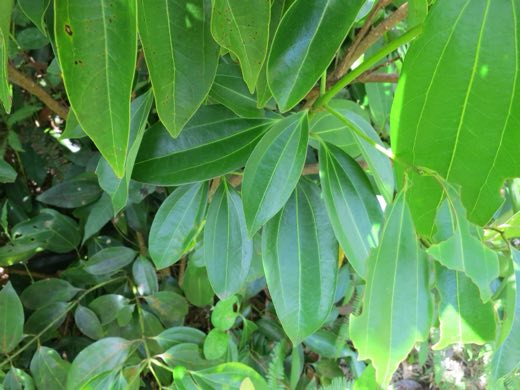
Cinnamon is the inner bark of an evergreen tree of the laurel family that grows in Sri Lanka and southern India. The outer bark is scraped off and the fragrant inner layer is peeled and dried, curling into the familiar rolls. Cassia is a close relative from East Asia, with a coarser, stronger bark. Both reached the Near East through long chains of traders, and the Greek historian Herodotus repeats fanciful stories that the Arabian merchants told about where the spices came from, perhaps to keep their sources secret.
In the Law cinnamon and cassia were two of the four spices of the holy anointing oil, with myrrh and fragrant cane. Elsewhere they are luxuries: garments fragrant with myrrh, aloes and cassia, and a bed perfumed with myrrh, aloes and cinnamon. Tyre traded in cassia, and cinnamon heads the list of the cargoes of the merchants in Revelation 18. Because there is no trace of these Asian spices in early Egyptian finds, some scholars think the Old Testament names may first have meant other fragrant barks from Arabia or Africa.
In nature
All verses with this plant (7)
Where the Hebrew, Aramaic or Greek word for it stands in the text.
Exodus2
“Take the finest spices: 500 shekels of liquid myrrh, half that amount (250 shekels) of fragrant cinnamon, 250 shekels of fragrant cane,500 shekels of cassia—all according to the sanctuary shekel—and a hin of olive oil.Psalms1
All your garments are fragrant with myrrh and aloes and cassia; from palaces of ivory the harps make you glad.Proverbs1
I have perfumed my bed with myrrh, with aloes, and with cinnamon.Song of Songs1
with nard and saffron, with calamus and cinnamon, with every kind of frankincense tree, with myrrh and aloes, with all the finest spices.Ezekiel1
and casks of wine from Izal for your wares. Wrought iron, cassia, and sweet cane were exchanged for your merchandise.Revelation1
of cinnamon, spice, incense, myrrh, and frankincense; of wine, olive oil, fine flour, and wheat; of cattle, sheep, horses, and chariots; of slaves and souls of men.See also
- Calamus, sweet canePlants of the Bible
- AloesPlants of the Bible
- Citron woodPlants of the Bible
- Balsam and the spicesPlants of the Bible
- People and places named after plantsPlants of the Bible
- Anointing oilTabernacle and temple
- Spices from India and the monsoon shipsTrade, craft and color
- What was in the jars: residues in potteryHow the Bible’s world is studied
Sources: Tyndale Open Bible Dictionary © 2023 Tyndale House Publishers, CC BY-SA 4.0 — adapted and shortened; the original work is available for free at tyndaleopenresources.com · Plants and Trees in the Bible © United Bible Societies 2025, adapted from R. Koops, Each According to its Kind © 2012 UBS, CC BY-SA 4.0 · Sources and rights