Encyclopedia › Plants of the Bible
Plants of the Bible
Galbanum, stacte and the incense spices
Hebrew chelbenah (galbanum), nataf (stacte) · two of the four incense spices
The holy incense of the tabernacle was made of four ingredients in equal measures: gum resin, onycha, galbanum and pure frankincense, blended as “the work of a perfumer, seasoned with salt” (Exodus 30:35). Galbanum is a gum from tall plants of the fennel family that grow in the mountains of Iran and Central Asia. Its milky sap oozes from the stem, or from cuts made near the ground, and hardens into yellowish or greenish beads. On its own it smells strong and harsh, but in a blend it makes other scents last longer.
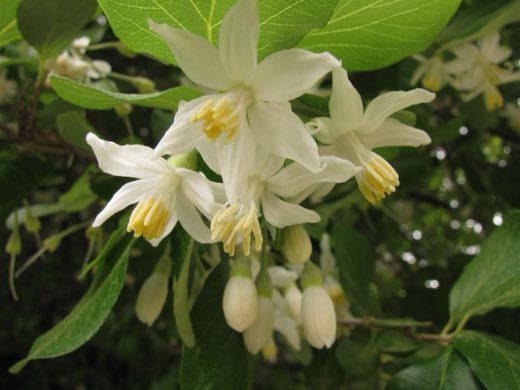
The “gum resin”, nataf in Hebrew and stacte in the Greek Bible, means “drops”. By one view it came from the storax, a shrub or small tree with white flowers common on the hills from Lebanon to the land of Israel, whose stems give a perfumed gum when cut; by another it came from the Oriental sweetgum of Turkey, and some think it was myrrh. Onycha was not a plant at all but probably the lid of a sea snail’s shell, which gives a musky smell when burned.
In nature
All verses with this plant (1)
Where the Hebrew, Aramaic or Greek word for it stands in the text.
Exodus1
The LORD also said to Moses, “Take fragrant spices—gum resin, onycha, galbanum, and pure frankincense—in equal measures,See also
- FrankincensePlants of the Bible
- TabernacleTabernacle and temple
- Incense and censersTabernacle and temple
Sources: Tyndale Open Bible Dictionary © 2023 Tyndale House Publishers, CC BY-SA 4.0 — adapted and shortened; the original work is available for free at tyndaleopenresources.com · Plants and Trees in the Bible © United Bible Societies 2025, adapted from R. Koops, Each According to its Kind © 2012 UBS, CC BY-SA 4.0 · Sources and rights