Encyclopedia › Peoples and gods around Israel
Peoples and gods around Israel
The seven nations: Hivites, Perizzites, Girgashites and others
Deuteronomy 7:1 · lists of six, seven or ten · Hivites of Shechem and Gibeon
When the Bible speaks of the peoples of the promised land, it often gives a list: “the Hittites, Girgashites, Amorites, Canaanites, Perizzites, Hivites, and Jebusites, seven nations larger and stronger than you” (Deuteronomy 7:1). The lists vary — six names in Judges 3:5, ten in God’s promise to Abram, which also names the Kenites, Kenizzites, Kadmonites and Rephaites (Genesis 15:19–21). Several of these peoples are hardly known outside the lists, and scholars think the names mix real groups, clans and old regional names.
The Hivites appear in real stories. Shechem, whose son violated Dinah, was the son of “Hamor the Hivite, the prince of the region” (Genesis 34:2); the people of Gibeon who tricked Joshua into a treaty were Hivites (Joshua 9:7), and “no city made peace with the Israelites except the Hivites living in Gibeon” (Joshua 11:19); others lived “at the foot of Hermon” (Joshua 11:3). Some scholars link them with the Hurrians, others with a land of Hiyawa in Cilicia. The Perizzites lived in the hill country (Genesis 13:7; Joshua 17:15); their name may mean “people of the open villages”. The Girgashites are named only in the lists, though a similar personal name occurs in the tablets of Ugarit. Those of these peoples who remained were put to forced labor under Solomon (1 Kings 9:20–21) and in time merged into Israel.
In art
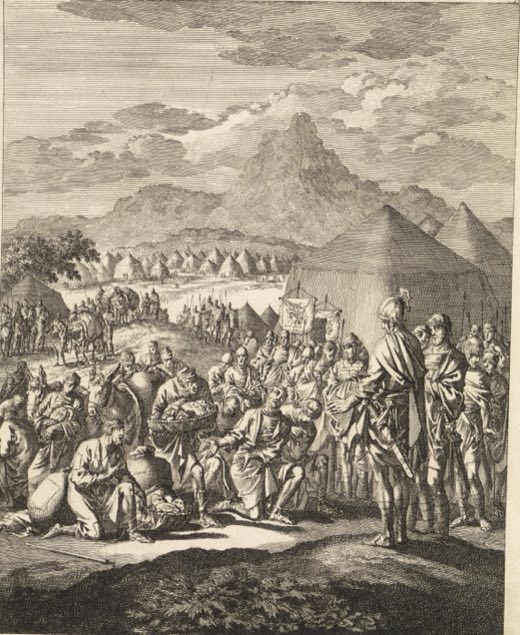 The Gibeonites Deceive Joshua
See also
- CanaanitesPeoples and gods around Israel
- AmoritesPeoples and gods around Israel
- HittitesPeoples and gods around Israel
- Gibeon: a treaty and a battleWeapons and warfare
- Forced labor and the king’s levyWork and trades
- Temple servants and the descendants of Solomon’s servantsJewish groups and the Roman world
- JebusitesPeoples and gods around Israel
- HamorPeople
- GibeonPlaces
- ShechemPlaces
Sources: Tyndale Open Bible Dictionary © 2023 Tyndale House Publishers, CC BY-SA 4.0 — adapted and shortened; the original work is available for free at tyndaleopenresources.com · Sources and rights