Encyclopedia › The Greek world of Paul
Encyclopedia
The Greek world of Paul
The Greek cities Paul walked through: their citizens, councils and officials, the people of the churches there, their schools, games and theaters, the philosophers he met in Athens, the oracles, charms and healing shrines of the street, and the banquets, clubs, slaves and graves of everyday life.
The Greek city
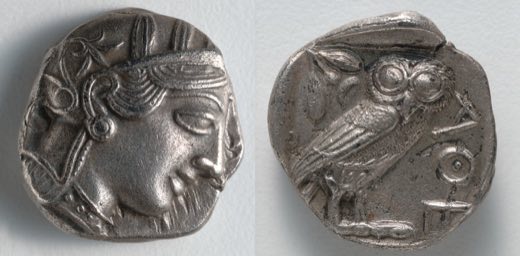 The Greek city: citizens, council and assemblyGreek polis, politēs (citizen) · boulē (council), ekklēsia (assembly), dēmos (people)
- The riot at Ephesus and the city clerkActs 19 · Greek grammateus (clerk), ennomos ekklēsia (legal assembly) · a theater for some 25,000
- Asiarchs and the worship of the emperorActs 19:31 · the league of the cities of Asia · temples to Rome and the emperors
- City officials in ActsPolitarchs at Thessalonica · lictors at Philippi · a city treasurer at Corinth · Malta’s “first man”
- Benefactors and their honorsGreek euergetēs (benefactor) · decrees, statues and gold crowns · gifts to cities, festivals and synagogues
- Cities named after kings and queensPhilippi, Thessalonica, Antioch, Seleucia, Laodicea, Ptolemais, Philadelphia · Caesarea and Tiberias
People of the Greek cities
- Women of the Greek cities: Lydia, Phoebe, DamarisLydia of Thyatira · Phoebe of Cenchreae · Chloe · Euodia and Syntyche · “leading women”
- Hosts and house churchesPrisca and Aquila · Gaius of Corinth · Nympha · Philemon · the house church of Dura-Europos
- What Greek and Latin names meantOnesimus, “useful” · Eutychus, “lucky” · Tertius and Quartus · names from the gods
- Paul’s companions from the Greek citiesActs 20:4 · men chosen by the churches · Timothy, Titus, Aristarchus, Tychicus, Trophimus
- “Jew and Greek”Greek Hellēn · Greeks at the feast · a Syrophoenician “Greek” · “neither Jew nor Greek”
Schools, games and theater
- Greek schooling and the paidagogosGreek paidagōgos (guardian), grammatistēs (teacher of letters) · Homer as the schoolbook · ephebes in the…
- Rhetoric: the art of persuasionGreek rhētōr (orator) · court, council and festival speeches · Tertullus · Apollos “an eloquent man”
- The Isthmian gamesEvery two years near Corinth · races, boxing, wrestling, music · a wreath for the victor
- Runners, boxers and wrestlers in Paul’s lettersGreek agōn (contest), dromos (race), brabeion (prize), palē (wrestling) · leather straps for boxers
- Plays, masks and MenanderTragedy and comedy · Greek hypokritēs (actor) · Menander (342–290 BC) in 1 Corinthians 15:33
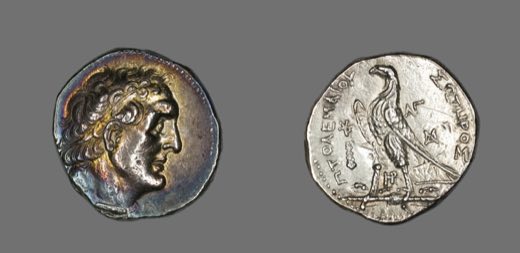 Koine: the common GreekGreek koinē dialektos, “the common language” · the Septuagint and the New Testament · papyri from Egypt
- Greek inscriptions in JerusalemThe temple warning notice · the Theodotus synagogue inscription · Greek names on ossuaries
Philosophers, oracles and gods
- The StoicsZeno of Citium, about 300 BC · the Painted Stoa · reason, nature, virtue · Seneca, Epictetus
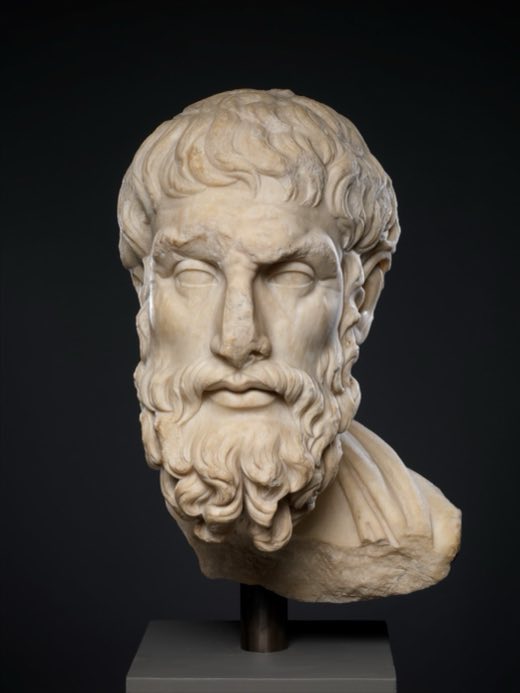 The EpicureansEpicurus (341–270 BC) · “the Garden” in Athens · pleasure as freedom from pain · atoms, distant gods
- The Areopagus: a hill and a councilGreek Areios pagos, “hill of Ares” · the oldest council of Athens · Dionysius the Areopagite
- Wandering teachers: sophists and CynicsPaid lecturers · Diogenes of Sinope · the Cynic’s cloak, bag and staff · the hall of Tyrannus
- Oracles, magic and secret ritesApollo’s oracle at Delphi · a “python” spirit · magic books at Ephesus · the mysteries of Eleusis
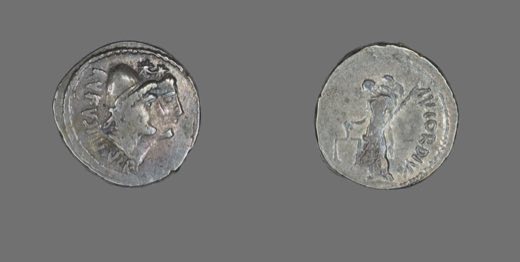 Malta: Justice and the Twin BrothersActs 28 · Dikē, the goddess Justice · Castor and Pollux, guardians of sailors
- Asclepius and the healing shrinesGod of healing · Epidaurus, Pergamum, Corinth · sleeping in the shrine · clay hands and feet
- Greek words for loveErōs, philia, storgē, agapē · philadelphia, “love of brothers” · “Do you love Me?”
Daily life
- Banquets: couches, wine and dining roomsGreek symposion, “drinking together” · reclining on couches · dining rooms in temples · invitations on papyrus
- Trade associations and clubsGreek koinon, thiasos; Latin collegium · patron gods, shared meals, funerals · the silversmiths of Ephesus
- Freedom bought from Apollo: slaves freed at DelphiAbout 1,000 inscriptions, about 200 BC–1st century AD · a sale to the god “for freedom”
- Graves and epitaphs in the Greek citiesTombs along the roads · “I was not, I was, I am not” · a papyrus of comfort