Encyclopedia › The Greek world of Paul
The Greek world of Paul
Wandering teachers: sophists and Cynics
Paid lecturers · Diogenes of Sinope · the Cynic’s cloak, bag and staff · the hall of Tyrannus
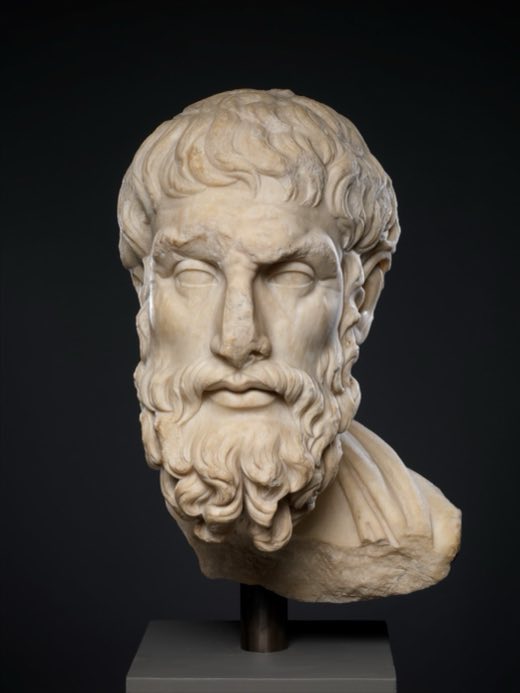
Greek cities were full of teachers. Sophists, from the fifth century BC on, taught rhetoric and the art of getting on in the world for fees, and by Roman times a celebrated speaker travelled from city to city like a star performer. The Cynics went the other way. Following Diogenes of Sinope, who was nicknamed “the dog”, kuōn, they owned only a rough cloak, a bag and a staff, begged for their bread, and spoke bluntly to anyone in the street about living simply and by nature.
Audiences knew fakes too, and writers such as Dio Chrysostom attacked speakers who flattered crowds for money. Paul sets himself apart from them: “we never used words of flattery or any pretext for greed” (1 Thessalonians 2:5), he writes, and he speaks of the many “who peddle the word of God for profit” (2 Corinthians 2:17). He supported himself by the work of his own hands, “night and day” (1 Thessalonians 2:9). At Ephesus he taught every day “in the lecture hall of Tyrannus” (Acts 19:9), in Greek a scholē — a hall where lectures were given.
See also
- Rhetoric: the art of persuasionThe Greek world of Paul
- TentmakerWork and trades
- Theaters, stadiums and lecture hallsBuildings and structures
- TyrannusPeople
Sources: Tyndale Open Bible Dictionary © 2023 Tyndale House Publishers, CC BY-SA 4.0 — adapted and shortened; the original work is available for free at tyndaleopenresources.com · Sources and rights