Encyclopedia › The Bible in stone
The Bible in stone
The Lachish reliefs
Carved stone panels from Sennacherib’s palace · c. 700 BC · British Museum
Sennacherib of Assyria lined one room of his palace at Nineveh with carved stone slabs that tell the story of a single victory: the siege of Lachish, the strongest city of Judah after Jerusalem, in 701 BC. Austen Henry Layard uncovered them in 1847–50, and most of the series is now in the British Museum.
The scenes run like a strip. Assyrian slingers and archers advance in rows; siege engines with battering rams climb ramps against the walls, while defenders on the towers throw stones and burning torches. Then families leave the burning city with bundles, carts and animals, and soldiers carry away the spoil. At the end the king sits on his throne before his tent, and a short text says that Sennacherib, king of Assyria, sat on his throne while the booty of Lachish passed before him. Prisoners are brought to him for judgment.
The Bible names Lachish as the king’s headquarters: Hezekiah “sent word to the king of Assyria at Lachish”, and Sennacherib sent his officers “from Lachish to King Hezekiah at Jerusalem” (2 Kings 18:14, 17). At Tel Lachish excavators found the Assyrian siege ramp, the defenders’ counter-ramp, hundreds of arrowheads and a burnt layer of the same date. The carved walls and gate have been compared with the ruins: by one view the artists worked from sketches made on the spot, by another they followed the usual patterns of Assyrian art.
See also
- Lachish: the siege uncoveredCities of the Bible
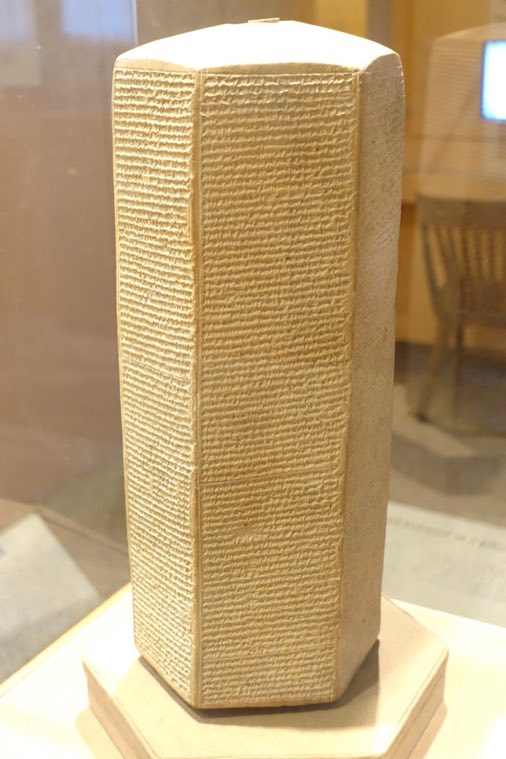
- Sennacherib’s PrismThe Bible in stone
- Sennacherib’s campaign of 701 BCWeapons and warfare
- Into exile: the long road to Assyria and BabylonRoads and travel
- SennacheribPeople
- HezekiahPeople
- LachishPlaces
Sources: Tyndale Open Bible Dictionary © 2023 Tyndale House Publishers, CC BY-SA 4.0 — adapted and shortened; the original work is available for free at tyndaleopenresources.com · Sources and rights