Encyclopedia › Ancient texts beside the Bible
Ancient texts beside the Bible
Laws older than Hammurabi: Ur-Nammu and Eshnunna
Ur-Nammu, about 2100 BC · Eshnunna, about 1800 BC · the ox that gores another ox
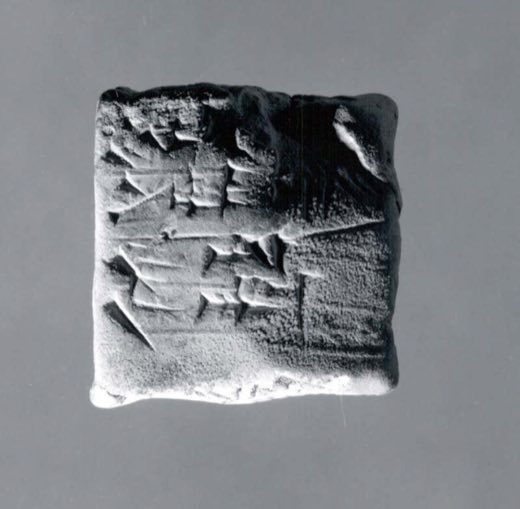
Hammurabi’s laws were not the first. The oldest known collection is that of Ur-Nammu, king of Ur about 2100 BC, written in Sumerian; for many injuries it sets fines in silver rather than punishment in kind — so many shekels for a cut-off foot or a broken bone. The laws of Lipit-Ishtar of Isin, about 1930 BC, and the Akkadian laws of the city of Eshnunna, about 1800 BC, followed. Later come the Hittite laws and the Middle Assyrian laws. Like Hammurabi’s, they are mostly written as cases: “if a man does this, then that.”
The laws of the Bible are written in the same way, and some cases are strikingly close. Eshnunna’s laws say that if an ox gores another ox to death, the two owners shall divide the price of the live ox and the carcass of the dead one. Exodus says: “If a man’s ox injures his neighbor’s ox and it dies, they must sell the live one and divide the proceeds; they also must divide the dead animal” (Exodus 21:35). Most scholars explain such likeness by a legal tradition shared across the ancient Near East, which Israel knew and used. They also note what is Israel’s own: its laws are given as the words of God to the whole people, not as a king’s decrees.
See also
- The laws of HammurabiAncient texts beside the Bible
- Damages and restitutionHuman life in Bible times
- Elders and judges: going to lawHuman life in Bible times
- CattleAnimals of the Bible
- Ur: the city of the royal tombsCities of the Bible
Sources: Tyndale Open Bible Dictionary © 2023 Tyndale House Publishers, CC BY-SA 4.0 — adapted and shortened; the original work is available for free at tyndaleopenresources.com · Sources and rights