Encyclopedia › Writing and books
Writing and books
“It is written”
Greek gegraptai · Jesus answers the tempter · “Have you never read…?”
For the people of the Bible, what was written in the Scriptures settled a question. The New Testament quotes the Old again and again with a fixed phrase, “it is written”, in Greek gegraptai — “it stands written”. Jesus answers each temptation in the wilderness with it: “It is written: ‘Man shall not live on bread alone, but on every word that comes from the mouth of God’” (Matthew 4:4), and twice more, “It is also written” (Matthew 4:7) and “For it is written” (Matthew 4:10). Clearing the temple courts He says, “It is written: ‘My house will be called a house of prayer’” (Matthew 21:13).
He also asked His hearers what they had read: “Have you never read this Scripture: ‘The stone the builders rejected has become the cornerstone’” (Mark 12:10), and to a teacher of the Law, “What is written in the Law?” and “How do you read it?” (Luke 10:26). Pilate used the same word of his notice on the cross: “What I have written, I have written” (John 19:22). John says why his own book was written: “these are written so that you may believe that Jesus is the Christ, the Son of God, and that by believing you may have life in His name” (John 20:31), and Paul writes that “everything that was written in the past was written for our instruction” (Romans 15:4).
In art
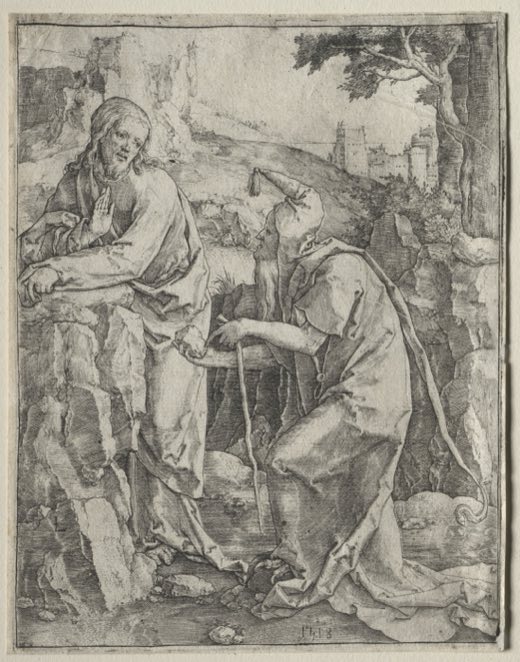 The Temptation of ChristLucas van Leyden
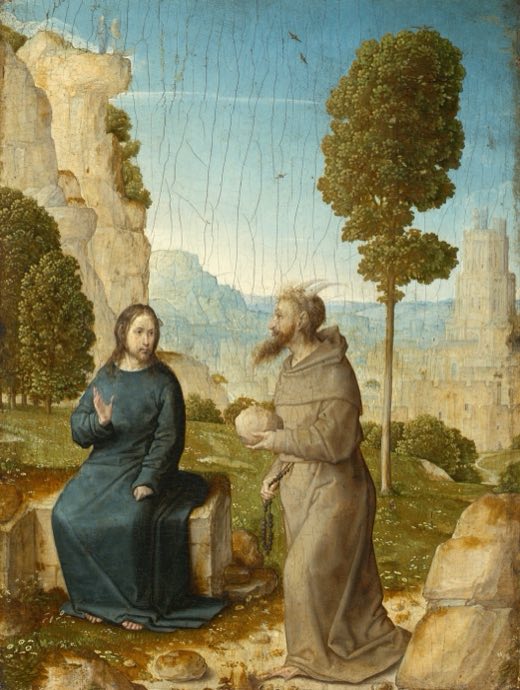 The Temptation of ChristJuan de Flandes
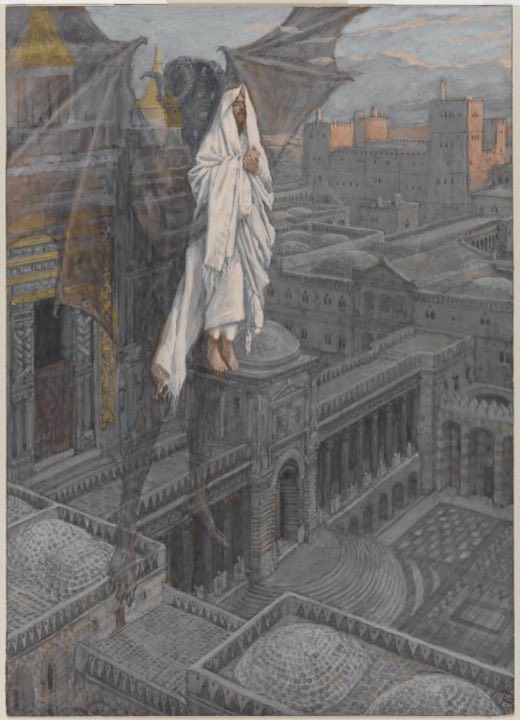 Jesus Carried up to a Pinnacle of the Temple (Jésus porté sur le pinacle du Temple)James Tissot
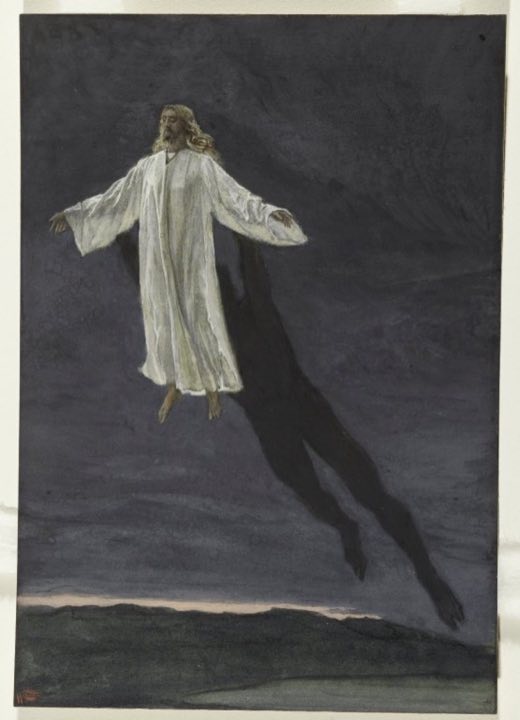 Jesus Transported by a Spirit onto a High Mountain (Jésus transporté par l'esprit sur une haute montagne)James Tissot
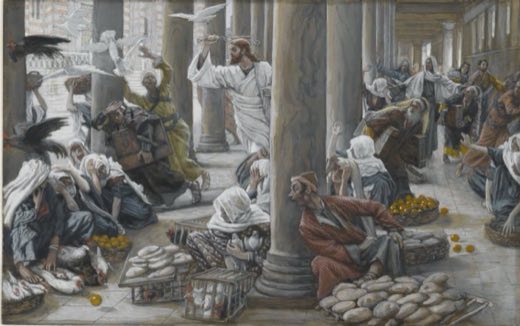 The Merchants Chased from the Temple (Les vendeurs chassés du Temple)James Tissot
See also
- Reading aloudWriting and books
- The temptation of Jesus in the wildernessThe desert
- Books in heaven: the Book of LifeWriting and books
- Which books are in the BibleHow the Bible came to be
Sources: Tyndale Open Bible Dictionary © 2023 Tyndale House Publishers, CC BY-SA 4.0 — adapted and shortened; the original work is available for free at tyndaleopenresources.com · Sources and rights