Encyclopedia › Weapons and warfare
Weapons and warfare
Masada
Herod’s fortress by the Dead Sea · held by rebels to AD 73/74 · the Roman ramp
Masada is a flat-topped rock above the western shore of the Dead Sea, its cliffs rising about 400 meters above the water. There was a fortress there in Hasmonean times, and Herod the Great rebuilt it as a refuge: a palace in three tiers hanging on the northern cliff, a bathhouse, storerooms and huge cisterns filled by winter floods, all inside a casemate wall. Its Hebrew name, metsadah, means “stronghold” — the word used when David and his men “went up to the stronghold” (1 Samuel 24:22).
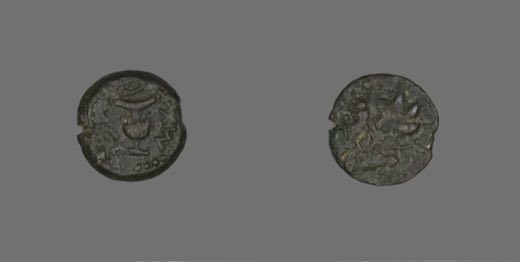
At the start of the revolt in AD 66 Jewish rebels, the sicarii, took Masada, and under Eleazar son of Jair they held it after Jerusalem fell. In AD 73 or 74 the governor Flavius Silva laid siege to it with the Tenth Legion: eight camps and a siege wall around the rock can still be seen, and on the west a ramp of earth and timber was heaped against a natural spur. Josephus tells that when the wall was breached the defenders chose death rather than slavery; how far the excavations bear out his account is debated. Yigael Yadin excavated Masada in 1963–65 and found scrolls, coins and potsherds with names.
See also
- The Jewish War and the fall of Jerusalem, AD 66–70Weapons and warfare
- How the Romans besieged a cityWeapons and warfare
- Zealots and sicariiJewish groups and the Roman world
- Herod the GreatRulers around the Bible
- The Salt SeaThe sea
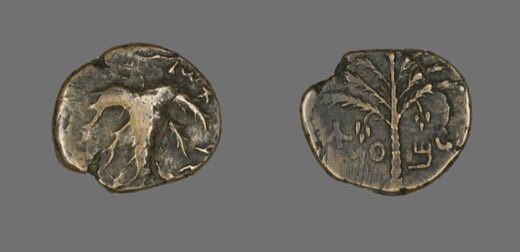
- The Bar Kokhba revolt, AD 132–135Weapons and warfare
- Josephus and his booksAncient texts beside the Bible
- Houses in the wall: casemate wallsBuildings and structures
- Herod’s fortress-palaces: Herodium and MachaerusBuildings and structures
- En-gediPlaces
Sources: Tyndale Open Bible Dictionary © 2023 Tyndale House Publishers, CC BY-SA 4.0 — adapted and shortened; the original work is available for free at tyndaleopenresources.com · Sources and rights