Encyclopedia › Plants of the Bible
Plants of the Bible
Rose of Sharon
Hebrew chavatselet · KJV “rose” · a spring flower of the Sharon plain; most likely not a rose
“I am a rose of Sharon, a lily of the valley,” says the bride in Song of Songs 2:1. Sharon is the coastal plain between Mount Carmel and Joppa, once known for its spring flowers and oak woods. The Hebrew word chavatselet appears only here and in Isaiah 35:1, where the desert will “blossom like a rose”. Most botanists agree that it was not a true rose. The word may be related to a Hebrew root meaning “bulb”, and so it probably names a flower that grows from a bulb.
Scholars have proposed several such flowers. By one view it is the narcissus, with white petals around a yellow cup, which blooms in the coastal plain in winter; by another the red mountain tulip or the Sharon tulip; some suggest the crocus, the asphodel or the white lily. One handbook suggests the tulip for Song of Songs and the narcissus for Isaiah. In English the name “rose of Sharon” has since passed to several garden shrubs, such as a hibiscus and a hypericum, which are not the plant of the Bible.
In nature
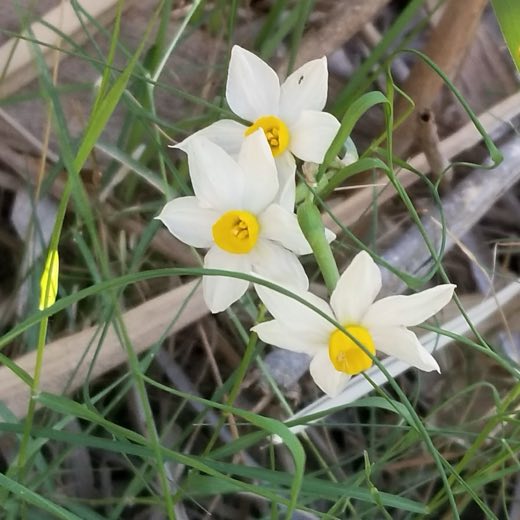
All verses with this plant (2)
Where the Hebrew, Aramaic or Greek word for it stands in the text.
Song of Songs1
I am a rose of Sharon, a lily of the valley.Isaiah1
The wilderness and the land will be glad; the desert will rejoice and blossom like a rose.See also
- LilyPlants of the Bible
- Plant names in old and new BiblesPlants of the Bible
- The coastal plain and SharonThe land of the Bible
- PlacesExplore · How it looked in the 1890s
Sources: Tyndale Open Bible Dictionary © 2023 Tyndale House Publishers, CC BY-SA 4.0 — adapted and shortened; the original work is available for free at tyndaleopenresources.com · Plants and Trees in the Bible © United Bible Societies 2025, adapted from R. Koops, Each According to its Kind © 2012 UBS, CC BY-SA 4.0 · Sources and rights