Encyclopedia › Peoples and gods around Israel
Peoples and gods around Israel
Arameans
Kingdoms of Syria · Damascus, Zobah, Hamath · Aramaic, the common tongue of empires
The Arameans were Semitic-speaking peoples who appear in Assyrian records from about 1100 BC and soon formed kingdoms across Syria and northern Mesopotamia: Damascus, Zobah, Hamath and others. Genesis links Israel’s ancestors with them: Laban is “Laban the Aramean” (Genesis 31:20), and the confession in Deuteronomy begins, “My father was a wandering Aramean” (Deuteronomy 26:5). In the 9th and 8th centuries BC the kingdom of Damascus, Aram, is Israel’s neighbor and frequent enemy: Ben-hadad besieges Samaria, and Naaman commands the army of “the king of Aram” (2 Kings 5:1).
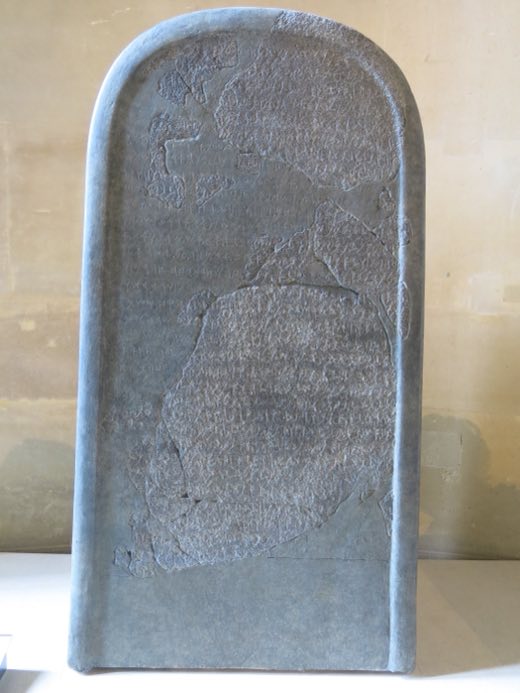
A stele found at Tel Dan in 1993 and 1994, written in Aramaic, tells of an Aramean king, by most scholars thought to be Hazael, who claims victories over a king of Israel and a king of the “house of David”; most accept this reading, a few question it. Their chief god was Hadad, the storm god, also called Rimmon (2 Kings 5:18). Assyria took Damascus in 732 BC, but the Aramaic language spread through the empires: Judah’s officials asked the Assyrian envoy to speak “in Aramaic” (2 Kings 18:26), and it was the everyday tongue of Jesus’ time.
Key verses
Moreover, Jacob deceived Laban the Aramean by not telling him that he was running away.and you are to declare before the LORD your God, “My father was a wandering Aramean, and he went down to Egypt few in number and lived there and became a great nation, mighty and numerous.Now Ben-hadad king of Aram assembled his entire army. Accompanied by thirty-two kings with their horses and chariots, he marched up, besieged Samaria, and waged war against it.Now Naaman, the commander of the army of the king of Aram, was a great man in his master’s sight and highly regarded, for through him the LORD had given victory to Aram. And he was a mighty man of valor, but he was a leper.Then Eliakim son of Hilkiah, along with Shebnah and Joah, said to the Rabshakeh, “Please speak to your servants in Aramaic, since we understand it. Do not speak with us in Hebrew in the hearing of the people on the wall.”See also
- Hebrew, Aramaic and GreekWriting and books
- The gods of the nations in the BiblePeoples and gods around Israel
- AssyriansPeoples and gods around Israel
- Aramaic in the Old TestamentLanguages of the Bible
- The Kurkh Monolith: Ahab at QarqarThe Bible in stone
- Ahab’s last battle at Ramoth-gileadWeapons and warfare
- Hadad and Rimmon: the storm god of the ArameansPeoples and gods around Israel
- Hazael of DamascusRulers around the Bible
- Rezin, the last king of DamascusRulers around the Bible
- LabanPeople
- Ben-hadad, son of TabrimmonPeople
- Naaman (2 Kings)People
- HazaelPeople
- AramPlaces
- DamascusPlaces
- HamathPlaces
Sources: Tyndale Open Bible Dictionary © 2023 Tyndale House Publishers, CC BY-SA 4.0 — adapted and shortened; the original work is available for free at tyndaleopenresources.com · Sources and rights