Encyclopedia › Sickness and healing
Sickness and healing
The boy with seizures
Matthew 17, Mark 9, Luke 9 · after the Transfiguration · “I do believe; help my unbelief!”
Coming down from the mountain of the Transfiguration, Jesus found a crowd, arguing scribes and disciples who had failed. A father knelt before Him: “Lord, have mercy on my son … He has seizures and is suffering terribly. He often falls into the fire or into the water” (Matthew 17:15). Matthew’s word is related to the Greek for “moon”: people believed such fits came with its phases. Mark gives the father’s fuller account: “Whenever it seizes him, it throws him to the ground. He foams at the mouth, gnashes his teeth, and becomes rigid” (Mark 9:18). Many readers recognize what is now called epilepsy in these words; the Gospels themselves tell it as the work of a spirit that Jesus drove out.
Mark keeps the exchange between Jesus and the father. Asked how long this had gone on, he answered, “From childhood,” and added, “if You can do anything, have compassion on us and help us.” Jesus answered, “‘If You can?’ … All things are possible to him who believes!” and the father cried out, “I do believe; help my unbelief!” (Mark 9:21–24). Jesus rebuked the spirit; the boy lay “like a corpse, so that many said, ‘He is dead.’ But Jesus took him by the hand and helped him to his feet, and he stood up” (Mark 9:26–27). Matthew also counts “those having seizures” among the sick brought to Jesus from all over Syria (Matthew 4:24).
In art
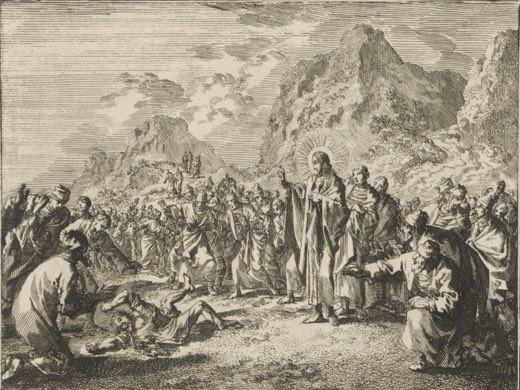 The Boy with a Spirit
See also
Sources: Tyndale Open Bible Dictionary © 2023 Tyndale House Publishers, CC BY-SA 4.0 — adapted and shortened; the original work is available for free at tyndaleopenresources.com · Sources and rights