Encyclopedia › The sky of the Bible
The sky of the Bible
The moon
Hebrew yareach and levanah, “the white one” · the moon god of Ur and Haran
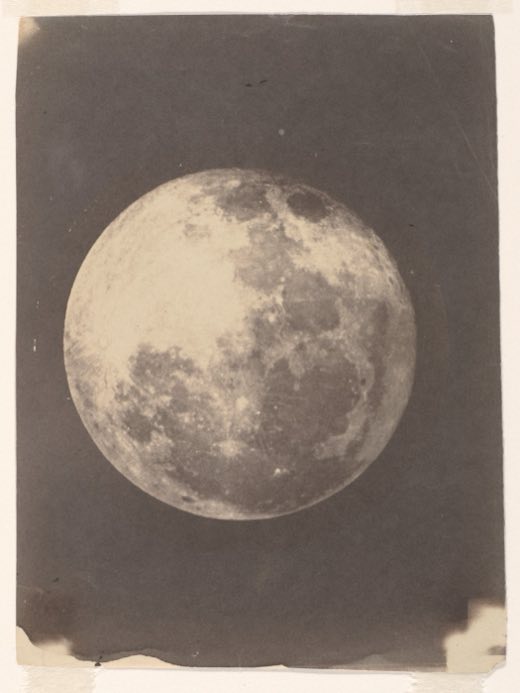
The moon was “the lesser light to rule the night” (Genesis 1:16). The Hebrew has two words for it: yareach, the usual one, and levanah, “the white one”, used in poetry. Because it waxes and wanes so regularly, the moon became a picture of what lasts. A psalm about the house of David says that his line will endure “like the moon, established forever, a faithful witness in the sky” (Psalm 89:37), and another prays for the king to be honored “as long as the moon remains, through all generations” (Psalm 72:5). Moses’ blessing of Joseph speaks of the harvest the sun brings and “the abundant yield of the seasons” (Deuteronomy 33:14).
Abraham’s family came from Ur and settled in Haran (Genesis 11:31), the two great cities of the moon god, called Sin by the Babylonians; Joshua reminds Israel that their fathers beyond the Euphrates “worshiped other gods” (Joshua 24:2). Night travelers feared its light as they feared the sun’s heat, and so the pilgrim was promised that “the moon” would not strike him “by night” (Psalm 121:6). The prophets speak of the day when the moon will be turned “to blood” (Joel 2:31), and Isaiah of a time when Jerusalem will need neither sun nor moon, “for the LORD will be your everlasting light” (Isaiah 60:19).
See also
- The sunThe sky of the Bible
- Sun and moon in the calendarThe sky of the Bible
- The host of heavenThe sky of the Bible
- New moons and the Feast of TrumpetsFeasts and festivals
- The boy with seizuresSickness and healing
Sources: Tyndale Open Bible Dictionary © 2023 Tyndale House Publishers, CC BY-SA 4.0 — adapted and shortened; the original work is available for free at tyndaleopenresources.com · Sources and rights