Encyclopedia › The Bible in culture
The Bible in culture
Thomas Mann’s Joseph and His Brothers
Four novels, 1933–1943 · Genesis 37–50 retold at length · written partly in exile
The German novelist Thomas Mann, already a Nobel Prize winner, spent sixteen years turning the last chapters of Genesis into a novel in four volumes: The Tales of Jacob (1933), Young Joseph (1934), Joseph in Egypt (1936) and Joseph the Provider (1943). Together they run to some fifteen hundred pages. He began in Munich in 1926 and finished in California; the Nazis came to power in 1933, Mann left Germany, and the later volumes were written in Switzerland and the United States.
Mann keeps the story of Genesis — Jacob’s love for Joseph and the “robe of many colors” (Genesis 37:3), the brothers’ hatred, the pit, Potiphar’s house, the prison, Pharaoh’s dreams and the moment when Joseph tells his brothers, “I am Joseph, your brother… the one you sold into Egypt!” (Genesis 45:4) — and fills in what the Bible leaves unsaid with what was known of the ancient Near East in his day: the gods of Egypt, the court of the pharaoh he identifies as Akhenaten, the life of nomads and cities. Potiphar’s wife, nameless in Genesis, is given the name Mut-em-enet, which Jewish tradition calls Zuleika. It is counted among his main works.
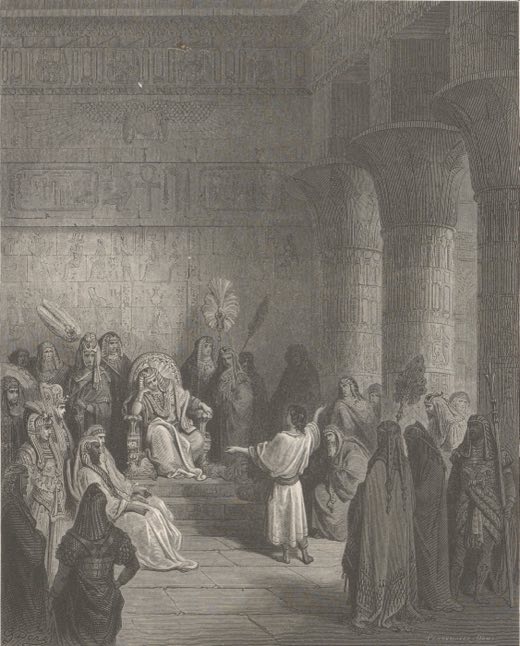 Joseph Interprets Pharaoh's Dreams
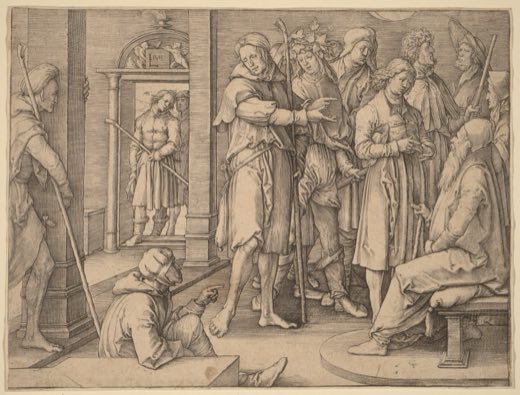 Joseph Interprets His Dream to Jacob