Encyclopedia › Buildings and structures
Buildings and structures
Gardens and royal parks
Persian pairidaeza, Greek paradeisos · the king’s garden by Siloam · Esther’s palace garden · Gethsemane
A garden in the Bible lands was a walled plot with water: fruit trees, vegetables, herbs and flowers, with a channel or a cistern. Kings made great parks. The Teacher of Ecclesiastes says, “I made gardens and parks for myself, where I planted all kinds of fruit trees” (Ecclesiastes 2:5); the word for “parks”, pardes, came from Persian, where a walled hunting park was called pairidaeza. Through Greek paradeisos it gave us “paradise”. Nehemiah asked for timber from “Asaph, keeper of the king’s forest” (Nehemiah 2:8) — the same word. In Jerusalem “the king’s garden” lay at the southern tip of the city, by the pool of Shelah below the City of David (Nehemiah 3:15), and Zedekiah fled “by way of the king’s garden” (Jeremiah 39:4). Manasseh and Amon were buried in “the garden of Uzza” (2 Kings 21:18, 26).
Assyrian kings boasted of their palace gardens; Sennacherib brought water to Nineveh by a canal and planted rare trees there, and some scholars think the famous Hanging Gardens were his, not Nebuchadnezzar’s in Babylon. Xerxes held a feast “in the garden court of the royal palace” at Susa (Esther 1:5). In the Gospels Jesus went across the Kidron “where they entered a garden” (John 18:1), and He was buried in a garden: “in the garden a new tomb in which no one had yet been laid” (John 19:41).
In art
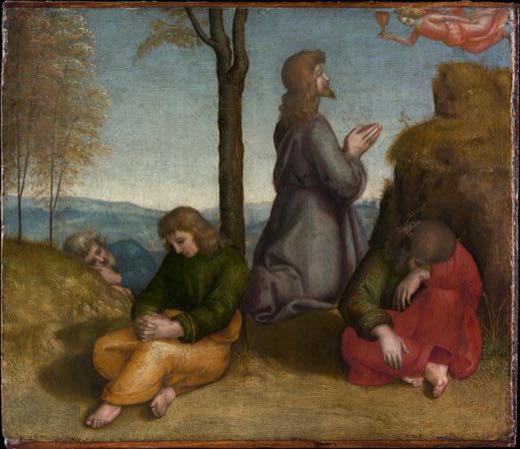 The Agony in the Garden
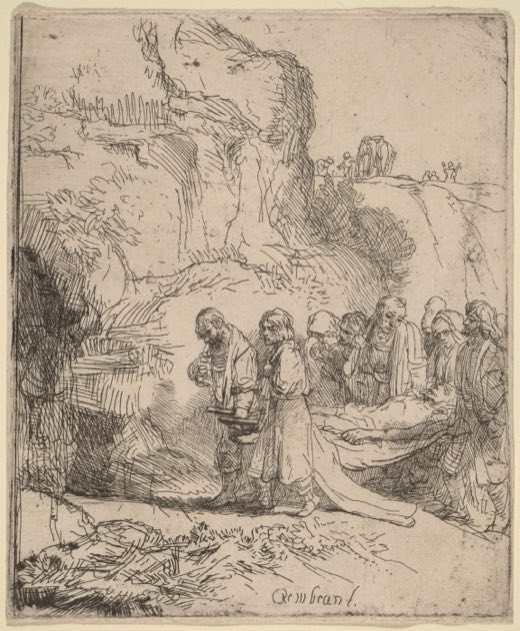 Christ Carried to the Tomb
See also
- Irrigation: Egypt, Babylon and the gardensField, orchard and water
- Nineveh: Sennacherib’s great cityCities of the Bible
- Susa: a capital of Elam and PersiaCities of the Bible
- Kidron and Hinnom: the valleys of JerusalemThe land of the Bible
- Fruit and nutsFood and drink
- UzzaPlaces
- GethsemanePlaces
- SusaPlaces
Sources: Tyndale Open Bible Dictionary © 2023 Tyndale House Publishers, CC BY-SA 4.0 — adapted and shortened; the original work is available for free at tyndaleopenresources.com · Sources and rights