Home › Explore › Scholars disagree › On which mountain was Jesus transfigured?
Where was it?
On which mountain was Jesus transfigured?
Mount Tabor in Galilee — or Mount Hermon, above Caesarea Philippi?
The Gospels say only ‘a high mountain’, and Peter calls it ‘the holy mountain’. Christians have climbed Tabor to remember it since the 4th century; many scholars look north, to Hermon.
What the Bible says
Up a high mountain by themselves; His face shines like the sunMatt 17:1–2
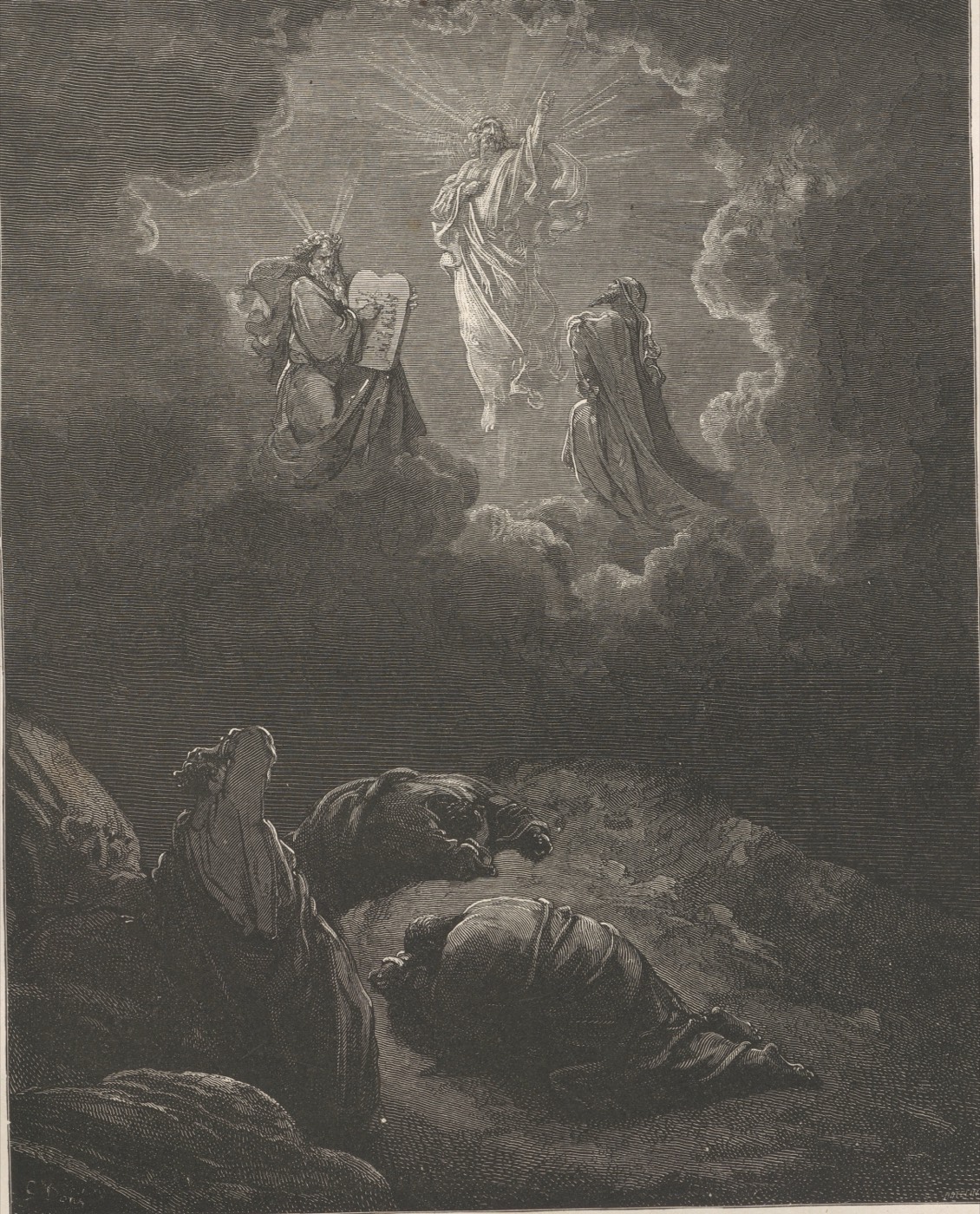
After six days Jesus took with Him Peter, James, and John the brother of James, and led them up a high mountain by themselves. There He was transfigured before them. His face shone like the sun, and His clothes became as white as the light.To the villages of Caesarea PhilippiMark 8:27
Then Jesus and His disciples went on to the villages around Caesarea Philippi. On the way, He questioned His disciples: “Who do people say I am?”Six days later, up a high mountainMark 9:2
After six days Jesus took with Him Peter, James, and John, and led them up a high mountain by themselves. There He was transfigured before them.He goes up the mountain to prayLuke 9:28
About eight days after Jesus had said these things, He took with Him Peter, John, and James, and went up on a mountain to pray.‘We were with Him on the holy mountain’2 Pet 1:18
And we ourselves heard this voice from heaven when we were with Him on the holy mountain.The proposed sites
The numbers are the views’. No site is marked as the likeliest.
1View 1
Mount Tabor
Tradition since the 4th century — Cyril of Jerusalem, Jerome; the churches on its summit.
- Tabor rises alone from the plain of Jezreel, a mountain set apart — ‘by themselves’ (Mark 9:2).
- Churches on the summit have marked the event since the Byzantine age, and pilgrims have climbed it ever since.
2View 2
Mount Hermon
Many modern scholars.
- The scene follows the days near Caesarea Philippi (Mark 8:27; 9:2), at the foot of Hermon.
- Hermon is truly ‘a high mountain’ — about 2,800 meters; Tabor is under 600, and had a settlement on its top, which Josephus later walled.
What we know for sure
Matthew and Mark call it ‘a high mountain’ and Peter ‘the holy mountain’ (2 Peter 1:18); no Gospel names it.
Sources
- Josephus, Jewish War 4.54–61
- Jerome, Letter 108
- Jerome Murphy-O’Connor, The Holy Land: An Oxford Archaeological Guide (5th ed., 2008)