Encyclopedia › Writing and books
Writing and books
Certificates, bills and contracts
Certificate of divorce · “Take your bill” · Paul’s “I will repay it” · Babatha’s papers
Much ordinary writing was legal: proof that something had been agreed or paid. The Law required a man who sent his wife away to “write her a certificate of divorce, hand it to her” (Deuteronomy 24:1); the written document protected her, showing that she was free to marry again. In the Gospels the Pharisees refer to it: “Moses permitted a man to write his wife a certificate of divorce and send her away” (Mark 10:4). The prophets used the picture too — “Where is your mother’s certificate of divorce?” (Isaiah 50:1).
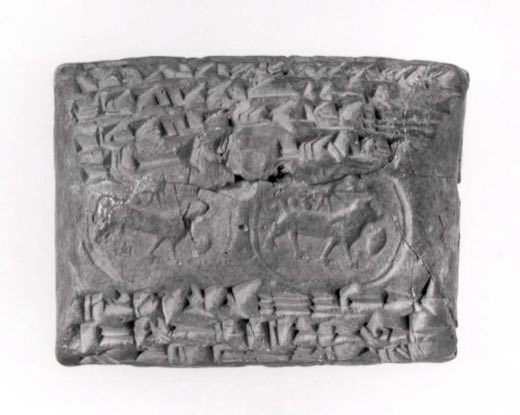
Debts were written down. In Jesus’ parable of the shrewd manager, each debtor has a bill in his own hand, and the manager tells him, “Take your bill … Sit down quickly, and write fifty” (Luke 16:6). Paul writes to Philemon about whatever Onesimus might owe as if signing a promissory note: “I, Paul, write this with my own hand. I will repay it” (Philemon 1:19). Real documents of this kind survive. In the Judean desert, in a cave near En-gedi, archaeologists found in 1961 the papers of a woman named Babatha, hidden about AD 132: marriage contracts, deeds of land, loans and court summonses in Aramaic, Nabatean and Greek, still rolled and tied.
See also
- Sealed documentsWriting and books
- Debts, loans and pledgesHuman life in Bible times
- Buying a fieldHuman life in Bible times
- Loans, pledges and interestTrade, craft and color
- Covenants put in writingWriting and books
- Bride-price and dowryHuman life in Bible times
- Divorce in the Law and the GospelsHuman life in Bible times
Sources: Tyndale Open Bible Dictionary © 2023 Tyndale House Publishers, CC BY-SA 4.0 — adapted and shortened; the original work is available for free at tyndaleopenresources.com · Sources and rights