Encyclopedia › Work and trades
Work and trades
Trades that ran in families
“Father of” a craft · the Valley of the Craftsmen · the street of the bakers
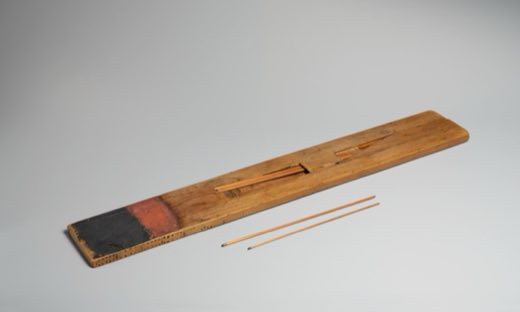
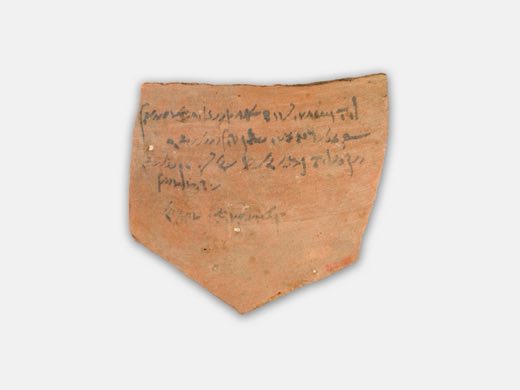
In the ancient world a son usually learned his father’s work, and whole clans became known for one craft. Genesis names the founders of ways of life as their “fathers”: Jabal was “the father of those who dwell in tents and raise livestock”, Jubal “the father of all who play the harp and flute”, and Tubal-cain “a forger of every implement of bronze and iron” (Genesis 4:20–22). The family lists of Judah in Chronicles keep such clans: “the clans of the scribes who lived at Jabez” (1 Chronicles 2:55), “the clans of the linen workers at Beth-ashbea” (1 Chronicles 4:21), and the potters of Netaim and Gederah, who “lived there in the service of the king” (1 Chronicles 4:23). A place was even named Ge-harashim, “because its people were craftsmen” (1 Chronicles 4:14); after the exile people lived again “in the Valley of the Craftsmen” (Nehemiah 11:35).
Crafts also had their own streets. Jeremiah in prison was given “a loaf of bread daily from the street of the bakers” (Jeremiah 37:21). When Nehemiah rebuilt the wall, goldsmiths and perfumers took sections, and near the Sheep Gate “the goldsmiths and merchants made repairs” (Nehemiah 3:32) — probably beside their own shops. Josephus later calls the valley inside Jerusalem the Valley of the Cheesemakers.
See also
- PotterWork and trades
- Smiths, furnaces and bellowsWork and trades
- ScribeWork and trades
- Goldsmiths and silversmiths at workTrade, craft and color
- The walls and gates of JerusalemBuildings and structures
Sources: Tyndale Open Bible Dictionary © 2023 Tyndale House Publishers, CC BY-SA 4.0 — adapted and shortened; the original work is available for free at tyndaleopenresources.com · Sources and rights