Encyclopedia › How the Bible was translated around the world
How the Bible was translated around the world
How a translation is made today
Teams of mother-tongue translators · consultants · back-translation · testing with readers · audio and video
Most new translations are made by teams, not by one scholar. Speakers of the language, who know how it sounds in daily life, draft the text, working from the Hebrew and Greek with the help of study notes, dictionaries and earlier translations in other languages. A consultant, trained in the original languages and in translation, checks the work. Since the consultant usually does not speak the language, the draft is turned back word by word into a widely known language — a back-translation — so that he or she can see what each sentence says, and the team and consultant go through it together.
Drafts are read aloud to ordinary speakers, to children and to the old, and they are asked to tell back what they heard: if a passage is misunderstood, it is rewritten. Key words — names, measures, animals and plants unknown to the region — are checked so that the same thing is called the same way throughout. Teams use software made for the purpose, such as Paratext, which lets them see the original, the helps and their draft side by side. Many translations now begin or end as audio recordings, for people who listen more than they read, and sign languages of the Deaf are translated on video. The Ethiopian official’s answer to Philip is still the reason for the work: “How can I … unless someone guides me?” (Acts 8:31).
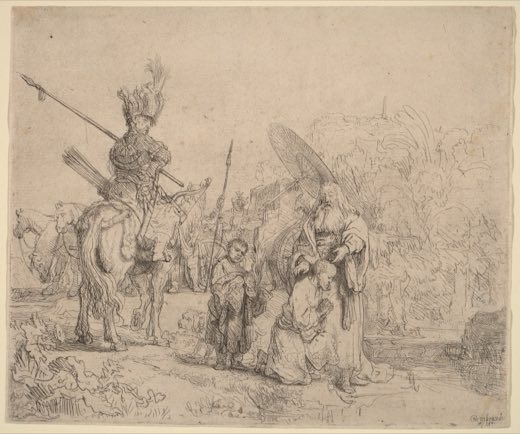 The Baptism of the Eunuch