The sea
Harbors of the coast
Few natural harbors · Acco, Dor, Joppa, Caesarea · the ports of Paul’s journeys
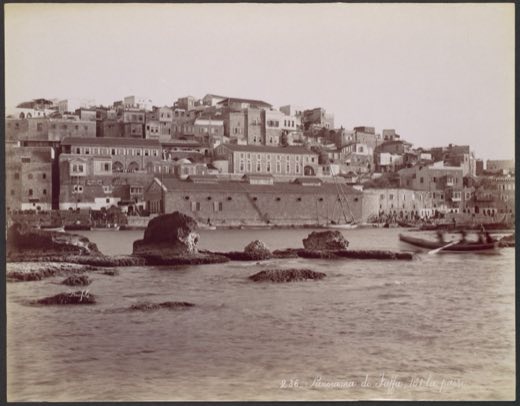
The coast of Israel runs almost straight from Mount Carmel south to Gaza, so good harbors were few. Jacob’s blessing says, “Zebulun shall dwell by the seashore and become a harbor for ships” (Genesis 49:13), and Deborah’s song asks, “Dan, why did you linger by the ships? Asher stayed at the coast and remained in his harbors” (Judges 5:17). For most of the Bible’s history, though, the ports belonged to others: Acco and Dor in the north, Joppa in the middle, Ashkelon and Gaza on the Philistine coast, and beyond Carmel the great Phoenician harbors of Tyre and Sidon. Herod the Great gave Judea a port of its own when he built Caesarea, with breakwaters thrown out into the open sea.
The Acts of the Apostles is a book of harbors. Paul and Barnabas “went down to Seleucia”, the port of Syrian Antioch, “and sailed from there to Cyprus” (Acts 13:4). Paul had his head shaved at Cenchrea, the eastern port of Corinth, before he sailed for Syria (Acts 18:18). Travelers changed ships at Patara and Myra on the coast of Lycia, waited out the weather at Fair Havens on Crete, and landed in Italy at Puteoli on the Bay of Naples, where many of the grain ships from Alexandria unloaded (Acts 28:13). When Isaiah foretold the fall of Tyre, he pictured its ships far away hearing the news: “Wail, O ships of Tarshish, for your harbor has been destroyed!” (Isaiah 23:14).
See also
- The Great SeaThe sea
- Joppa: a harbour on a rocky hillCities of the Bible
- Caesarea: Herod’s harbour cityCities of the Bible
- Tyre: the city of purple and shipsCities of the Bible
- Ashkelon: a seaport through the agesCities of the Bible
- Paul at seaThe sea
- SeleuciaPlaces
- CenchreaPlaces
- PuteoliPlaces
Sources: Tyndale Open Bible Dictionary © 2023 Tyndale House Publishers, CC BY-SA 4.0 — adapted and shortened; the original work is available for free at tyndaleopenresources.com · Sources and rights