Encyclopedia › Rulers around the Bible
Rulers around the Bible
The pharaohs of Abraham and Joseph
Genesis 12 and 39–50 · never named · “Pharaoh”: Egyptian per-aa, “great house”
Genesis never names the king of Egypt whom Abraham met or the one Joseph served; to it each is simply Pharaoh. The word comes from the Egyptian per-aa, “great house”: first the palace, then, from about the 15th century BC, the king himself. One Pharaoh took Sarai into his palace, and the LORD “afflicted Pharaoh and his household with severe plagues” until he sent Abram away with his wife (Genesis 12:17–20). Another heard Joseph interpret his dreams and asked his officials, “Can we find anyone like this man, in whom the Spirit of God abides?” (Genesis 41:38). He put his signet ring on Joseph’s finger, clothed him in fine linen and placed a gold chain around his neck; later old Jacob stood before him and blessed him (Genesis 47:7). The court of these chapters, with its officials, chief cupbearer and chief baker, dreams taken seriously and signs of high office, has features known from Egyptian texts and paintings.
Who these kings were is not known, and the dates are debated. By one view Joseph rose under the Hyksos, rulers of Asiatic origin who held the Nile Delta from about 1650 to 1550 BC, when a foreigner might reach high office more easily; by another, following the traditional dating from the Bible’s own numbers, his story belongs earlier, to the Middle Kingdom. No Egyptian record names Abraham, Jacob or Joseph.
In art
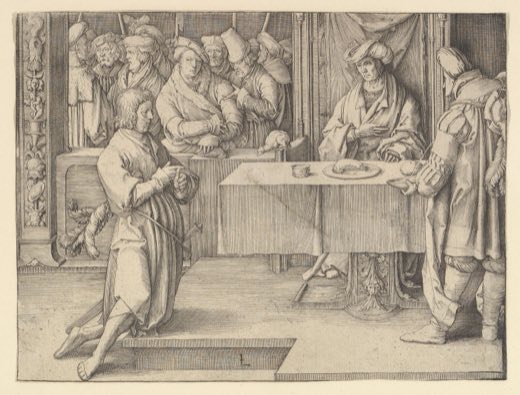 Joseph Interpreting Pharaoh's Dreams
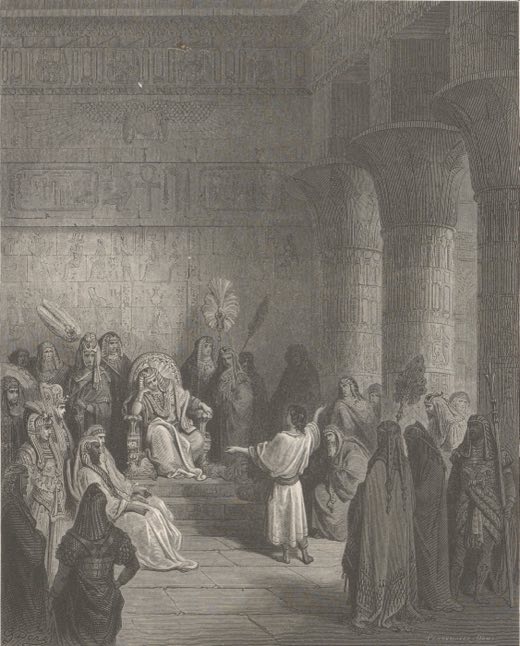 Joseph Interprets Pharaoh's Dreams
See also
- The pharaoh of the Exodus: who was he?Rulers around the Bible
- Egyptian stories: Sinuhe and the Two BrothersAncient texts beside the Bible
- Joseph’s granaries: seven years of plentyField, orchard and water
- EgyptiansPeoples and gods around Israel
- Pharaoh (Genesis 12:15)People
- Pharaoh (Genesis)People
Scholars disagree
Sources: Tyndale Open Bible Dictionary © 2023 Tyndale House Publishers, CC BY-SA 4.0 — adapted and shortened; the original work is available for free at tyndaleopenresources.com · Sources and rights