Encyclopedia › Feasts and festivals
Feasts and festivals
Fasts proclaimed in times of danger
Mizpah, Jehoshaphat, Ezra, Esther, Nineveh, Joel · a whole people fasting together
In a crisis a leader could call the whole people to fast. Under Samuel the Israelites gathered at Mizpah, poured out water before the LORD and fasted, confessing, “We have sinned against the LORD” (1 Samuel 7:6). When a great army came against Judah from beyond the Dead Sea, King Jehoshaphat “proclaimed a fast throughout Judah” (2 Chronicles 20:3), and people came from every town to Jerusalem to pray in the temple court, with their wives and children. Before setting out on the long road from Babylon, Ezra proclaimed a fast by the Ahava canal to ask for a safe journey, for he had been ashamed to ask the king for soldiers (Ezra 8:21–23).
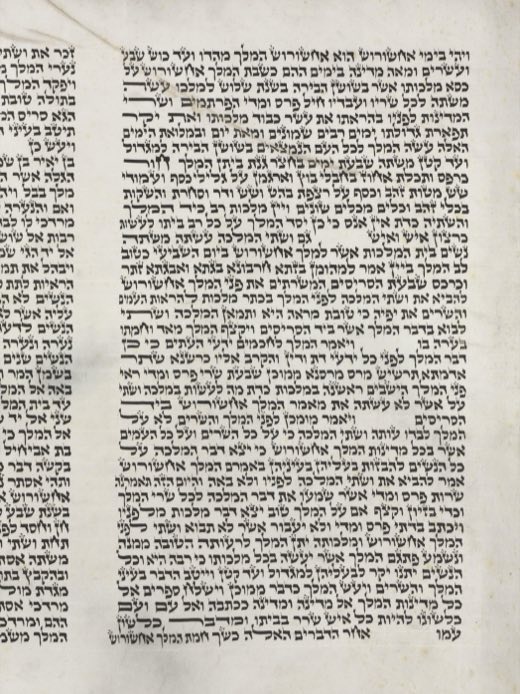
Esther, about to go to the king uninvited, asked the Jews of Susa to fast for her: “Do not eat or drink for three days, night or day” (Esther 4:16). In Jonah’s story it is a foreign city that fasts: the people of Nineveh, “from the greatest of them to the least”, put on sackcloth, and the king’s decree covered even the herds and flocks (Jonah 3:5–8). The prophet Joel, after a locust plague, calls for the ram’s horn to sound in Zion: “consecrate a fast, proclaim a sacred assembly” (Joel 2:15), with the elders, the children and even nursing infants, and the bridegroom and bride called out of their room. Isaiah reminds the people that God asks more of a fast than going hungry: “to set the oppressed free and tear off every yoke” (Isaiah 58:6).
See also
- FastingFeasts and festivals
- SackclothClothing and adornment
- Locust plagues in historyWeather and the forces of nature
- Ram’s horn and trumpetsMusic and instruments
- Praying for rainWeather and the forces of nature
Sources: Tyndale Open Bible Dictionary © 2023 Tyndale House Publishers, CC BY-SA 4.0 — adapted and shortened; the original work is available for free at tyndaleopenresources.com · Sources and rights