Encyclopedia › Cities of the Bible
Cities of the Bible
Jericho: the oasis and its palaces
About 250 m below sea level · spring of Ein es-Sultan · palms and balsam
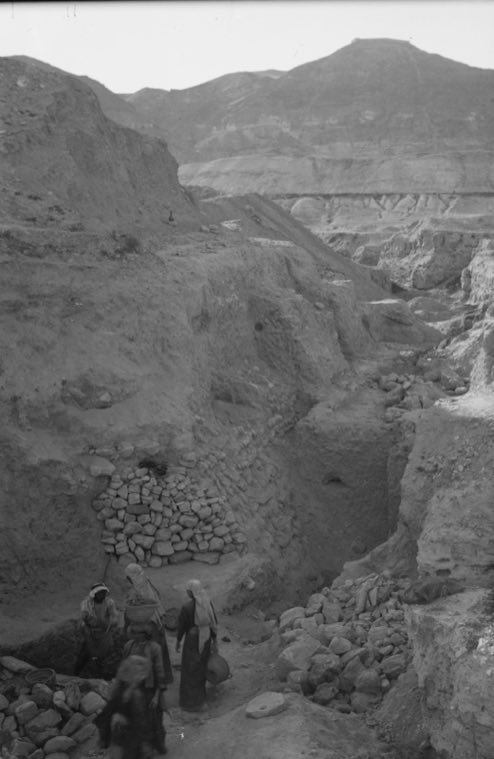
Jericho owes everything to its spring, Ein es-Sultan, which still pours out several hundred cubic metres of water an hour in the dry Jordan Valley. Around it grew one of the earliest towns known anywhere: before pottery was made, about 8000 BC, its people built a stone wall and a round stone tower over eight metres high, and later buried their dead under their houses, some with skulls covered in plaster and shells for eyes.
In Hasmonean and Herodian times royal Jericho moved south to the mouth of Wadi Qelt, where excavations uncovered winter palaces with swimming pools, gardens and bath-houses fed by aqueducts. The valley’s date palms and balsam were among the richest crops of the land; Josephus tells that Mark Antony gave these groves to Cleopatra and that Herod leased them back, and that Herod died in his palace at Jericho.
Jericho was the first city Israel took west of the Jordan: when the rams’ horns sounded and the people shouted, «the wall collapsed» (Joshua 6:20). Centuries later, on His last journey to Jerusalem, Jesus gave sight to a blind beggar here and stayed in the house of the tax collector Zacchaeus. Today Jericho is a green oasis town of palms and banana groves, about 250 metres below sea level, warm even in winter.
In art
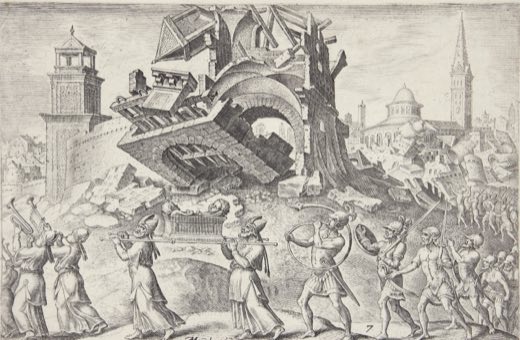 The Destruction of Jericho
See also
- Tells: hills of ruined townsBuildings and structures
- Hebron: the old city of the hillsCities of the Bible
- The Jordan valley and the ArabahThe land of the Bible
- The temptation of Jesus in the wildernessThe desert
- Roads through the hills and the Jericho roadRoads and travel
- The fall of JerichoWeapons and warfare
- Herod (Matthew)People
- JerichoPlaces
Scholars disagree
Sources: Tyndale Open Bible Dictionary © 2023 Tyndale House Publishers, CC BY-SA 4.0 — adapted and shortened; the original work is available for free at tyndaleopenresources.com · Sources and rights