Encyclopedia › Buildings and structures
Buildings and structures
Chariot cities and the stables of Megiddo
1,400 chariots, 12,000 horses · pillared buildings with troughs · stables or storehouses?
Solomon built “all the store cities that Solomon had for his chariots and horses” (1 Kings 9:19), and “accumulated 1,400 chariots and 12,000 horses, which he stationed in the chariot cities and also with him in Jerusalem” (1 Kings 10:26). A chariot force needed stables, training grounds, fodder and smiths. Ahab of Israel had more: an Assyrian monolith says that at the battle of Qarqar in 853 BC “Ahab the Israelite” brought 2,000 chariots, the largest chariot force of the allied kings.
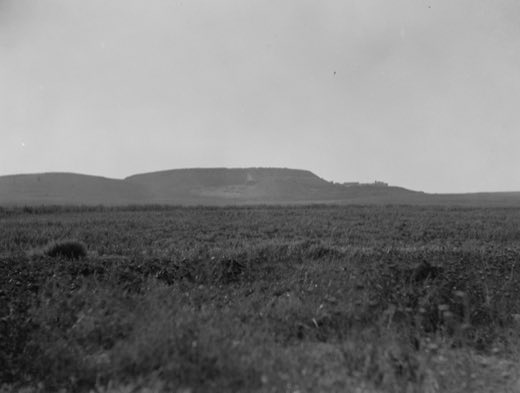
At Megiddo the University of Chicago excavators of the 1920s and 1930s uncovered long buildings divided into three aisles by rows of stone pillars, some with holes cut in the corners and stone troughs between them. They took them for stables for some 450 horses and dated them to Solomon, following 1 Kings 9. Later archaeologists moved them to the time of Ahab, and many questioned whether they were stables at all: similar buildings at Beersheba and Hazor held storage jars, and they could also have been barracks or markets. More recent studies of the Megiddo buildings, including analyses of the floors, have argued for stables again. The question remains open, and the answer may differ from site to site.
See also
- Chariots and horsesWeapons and warfare
- HorseAnimals of the Bible
- Megiddo: the city on the great roadCities of the Bible
- Storehouses, granaries and archivesBuildings and structures
- The Kurkh Monolith: Ahab at QarqarThe Bible in stone
- Horses from Egypt and Kue: Solomon’s tradeTrade, craft and color
- SolomonPeople
- AhabPeople
- MegiddoPlaces
Scholars disagree
Sources: Tyndale Open Bible Dictionary © 2023 Tyndale House Publishers, CC BY-SA 4.0 — adapted and shortened; the original work is available for free at tyndaleopenresources.com · Sources and rights