Virtues
Where the lists of virtues come from
No list of seven in the Bible · four cardinal virtues and Paul’s three
The Bible has no fixed list of seven virtues, but it has short lists of its own. Micah asks “to act justly, to love mercy, and to walk humbly with your God” (Micah 6:8). Paul names “the fruit of the Spirit”: “love, joy, peace, patience, kindness, goodness, faithfulness, gentleness, and self-control” (Galatians 5:22–23), and ends his chapter on love with “these three remain: faith, hope, and love” (1 Corinthians 13:13).
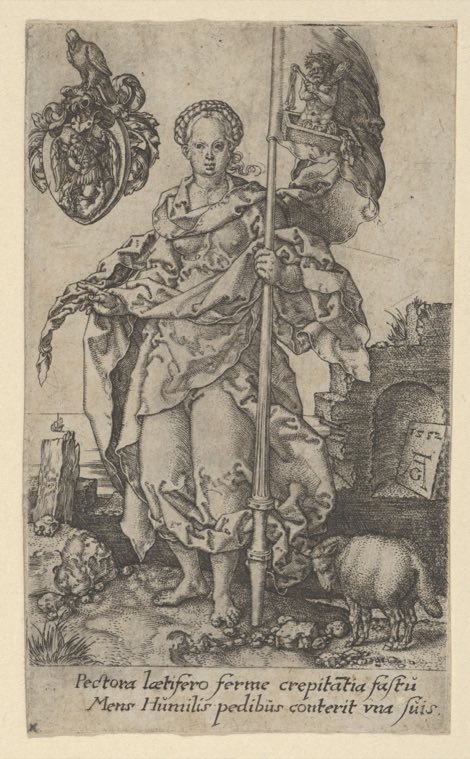
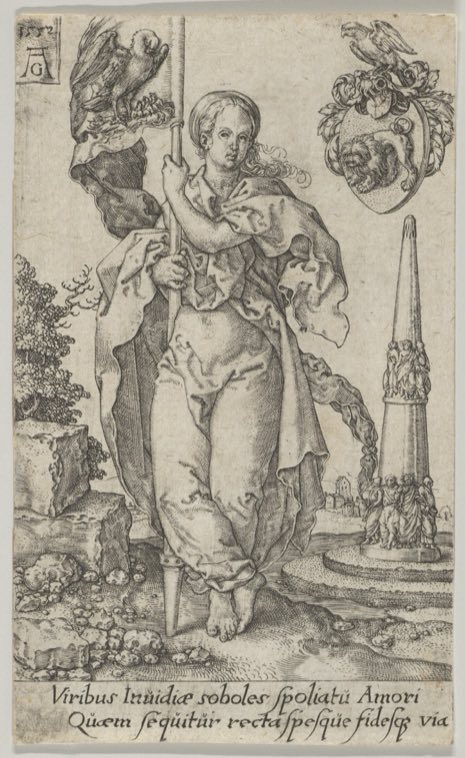
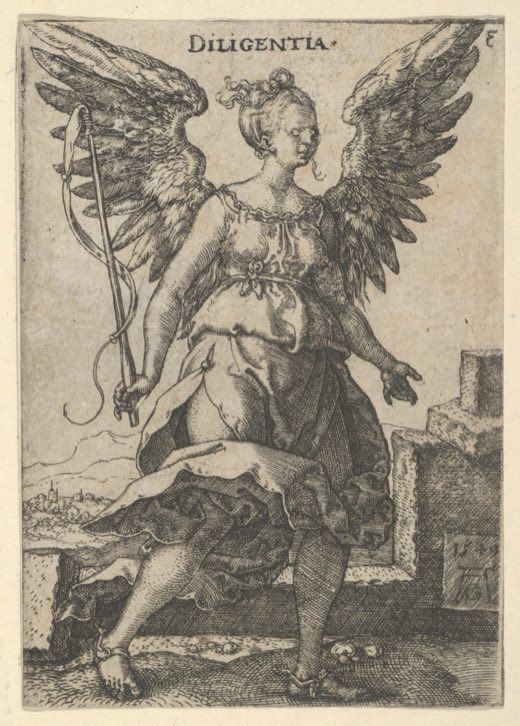
Later writers joined two lists. Greek philosophers had named four chief virtues — prudence, justice, courage and temperance — and Ambrose of Milan, in the late 4th century, is the first known to call them “cardinal”, from Latin cardo, a hinge. With Paul’s faith, hope and love they make seven, the virtues of Catholic teaching and of many medieval paintings. A second seven, one against each deadly sin, is later and was never fixed: about 405 the poet Prudentius made virtues fight vices in pairs, and later preachers paired them in different ways. The pairs most often given today are humility, kindness, patience, diligence, generosity, temperance and chastity. Orthodox tradition sets virtues against the eight passions; Protestant churches have no doctrine of such a list.
All verses on this topic
See also
- Where the list comes fromThe seven deadly sins
- The fruit of the SpiritVirtues
- Faith, hope and loveVirtues
- CourageVirtues
Sources: Tyndale Open Bible Dictionary © 2023 Tyndale House Publishers, CC BY-SA 4.0 — adapted and shortened; the original work is available for free at tyndaleopenresources.com · Sources and rights