Encyclopedia › Trade, craft and color
Trade, craft and color
Business in Babylon: the town of Judah and the Murashu house
Al-Yahudu tablets, 572–477 BC · Murashu archive, Nippur, 455–403 BC · the Kebar canal
Jeremiah told the exiles in Babylonia, “Build houses and settle down. Plant gardens and eat their produce” (Jeremiah 29:5), and clay tablets show them doing it. About two hundred business tablets, first published in 2014, come from a village called Al-Yahudu, “the town of Judah”, and nearby places. Dated from 572 to 477 BC, they record rents, loans, sales of cattle and barley, and taxes paid by families of Judean exiles, many with names containing Yahu, God’s name, written in Babylonian script, over four generations.
A larger archive of about 730 tablets was found at Nippur in 1893. It belonged to a Babylonian family firm, the house of Murashu, active from 455 to 403 BC under Artaxerxes I and Darius II. The Murashu managed estates held by royal soldiers and officials, rented out fields, oxen and seed, lent silver at interest and collected taxes. Among their clients are some seventy people with Jewish names, farmers and officials living normally beside their neighbors. The tablets also mention the Kebar canal near Nippur, the “River Kebar” beside which Ezekiel lived among the exiles at Tel-abib and saw his visions (Ezekiel 1:1; 3:15). Some families stayed on; the Babylonian Jews later became one of the great centers of Jewish learning.
In art
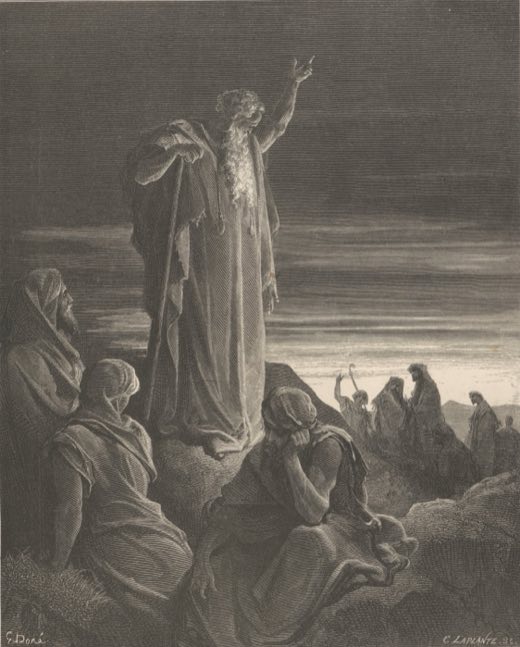 Ezekiel Prophesying
See also
- Jews abroad: the DiasporaJewish groups and the Roman world
- Babylon: the city of NebuchadnezzarCities of the Bible
- Loans, pledges and interestTrade, craft and color
- Names with God’s name in themHuman life in Bible times
- Artaxerxes IRulers around the Bible
- KebarPlaces
- Tel-abibPlaces
- BabylonPlaces
Sources: Tyndale Open Bible Dictionary © 2023 Tyndale House Publishers, CC BY-SA 4.0 — adapted and shortened; the original work is available for free at tyndaleopenresources.com · Sources and rights