Encyclopedia › Precious stones and metals
Precious stones and metals
Precious stones in trade and treasure
Caravans from Sheba · ships from Ophir · gifts for the temple · royal treasuries
Few gemstones were found in the land of Israel itself; most came by trade, along the incense roads from Arabia, by sea through the Red Sea ports, and through the markets of Phoenicia. They were a king’s wealth. The queen of Sheba “arrived in Jerusalem with a very large caravan—with camels bearing spices, gold in great abundance, and precious stones” (1 Kings 10:2), and Hiram’s fleet that sailed to Ophir “also brought from Ophir a great cargo of almug wood and precious stones” (1 Kings 10:11). The crown David took at Rabbah weighed a talent of gold and “was set with precious stones” (2 Samuel 12:30), and Hezekiah built treasuries “for his silver, gold, precious stones, spices, shields, and all kinds of valuable articles” (2 Chronicles 32:27).
For the temple David gathered “onyx for the settings, turquoise, stones of various colors, all kinds of precious stones, and slabs of marble” (1 Chronicles 29:2), and “whoever had precious stones gave them to the treasury” (1 Chronicles 29:8). Ezekiel’s list of Tyre’s trade names the merchants of Sheba and Raamah, who brought “gold, the finest of all spices, and precious stones” (Ezekiel 27:22), and Revelation’s lament over Babylon begins its list of lost cargoes with “gold, silver, precious stones, and pearls” (Revelation 18:12).
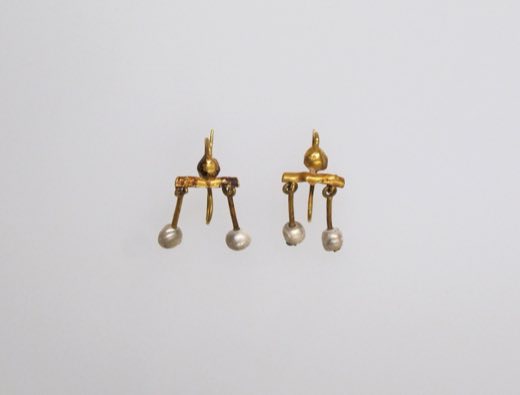
Stones were rounded and polished rather than cut with facets, drilled for beads, set in rings and engraved as seals.
See also
- Horses from Egypt and Kue: Solomon’s tradeTrade, craft and color
- The market of nations: Tyre’s trade in Ezekiel 27Trade, craft and color
- Jewelry and sealsClothing and adornment
- Crowns and wreathsClothing and adornment
- Engravers and carversWork and trades
- Seal impressions with names from the BibleTrade, craft and color
- PearlPrecious stones and metals
Sources: Tyndale Open Bible Dictionary © 2023 Tyndale House Publishers, CC BY-SA 4.0 — adapted and shortened; the original work is available for free at tyndaleopenresources.com · Sources and rights