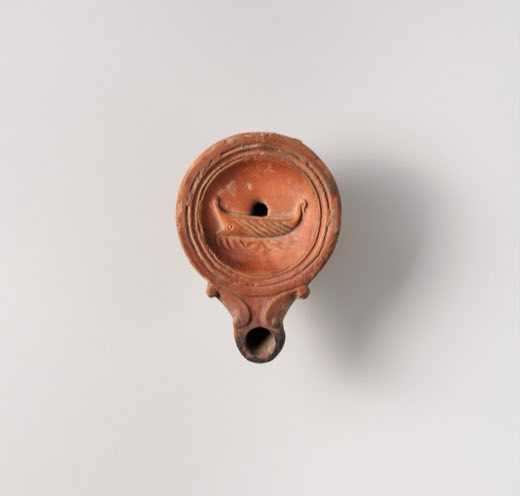
The sea
The LORD who rules the sea
Rahab, the sea monster · “You rule the raging sea” · Egypt called Rahab
The Bible’s poets praise the LORD as the One whom the sea obeys: “You rule the raging sea; when its waves mount up, You still them. You crushed Rahab like a carcass” (Psalm 89:9–10). Job says, “By His power He stirred the sea; by His understanding He shattered Rahab” (Job 26:12). This Rahab — a different Hebrew word from the name of Rahab of Jericho — is a monster of the sea, named beside “the dragon” (Isaiah 51:9) and like Leviathan. Isaiah joins the old picture to the Exodus: “Was it not You who dried up the sea, the waters of the great deep, who made a road in the depths of the sea for the redeemed to cross over?” (Isaiah 51:10). So Rahab became a name for Egypt: “Egypt’s help is futile and empty; therefore I have called her Rahab Who Sits Still” (Isaiah 30:7).
The psalms set the LORD above the noise of the waves: “Above the roar of many waters— the mighty breakers of the sea— the LORD on high is majestic” (Psalm 93:4). Job says that God “treads on the waves of the sea” (Job 9:8). The Gospels show Jesus doing what these poems say of God. In the storm He “rebuked the winds and the sea, and it was perfectly calm”, and His disciples asked, “What kind of man is this? Even the winds and the sea obey Him!” (Matthew 8:26–27). On another night He came to them “walking on the sea” (Mark 6:48).
See also
- Leviathan and BehemothAnimals of the Bible
- Dragon and sea monsterAnimals of the Bible
- Those who go down to the seaThe sea
- The deep and the waters of creationThe sea
- Storms on the lakeThe sea
- The Red SeaThe sea
- Sayings of the seaThe sea
- The sea in RevelationThe sea
Sources: Tyndale Open Bible Dictionary © 2023 Tyndale House Publishers, CC BY-SA 4.0 — adapted and shortened; the original work is available for free at tyndaleopenresources.com · Sources and rights