Encyclopedia › Plants of the Bible
Plants of the Bible
Millet and spelt
Hebrew dochan (millet), kussemet (spelt) · KJV “rie”, “fitches” · the lesser grains
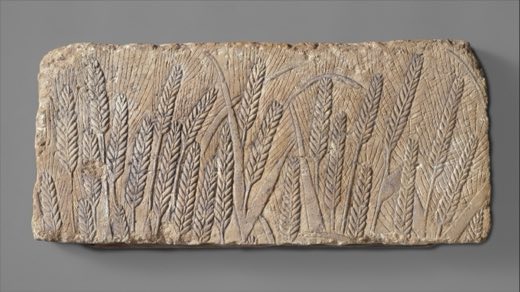
Besides wheat and barley, farmers grew lesser grains. The Hebrew kussemet, translated spelt (and in older Bibles rye or fitches), was a hardy wheat with loose ears and grains that cling to their husks. Many scholars now think it was emmer, the most common wheat of early times in Egypt and the Near East. It grows on poor soil and ripens late, which is why Exodus says that the hail in Egypt did not destroy “the wheat and spelt … because they are late crops”. Isaiah describes a farmer planting it along the edge of his field.
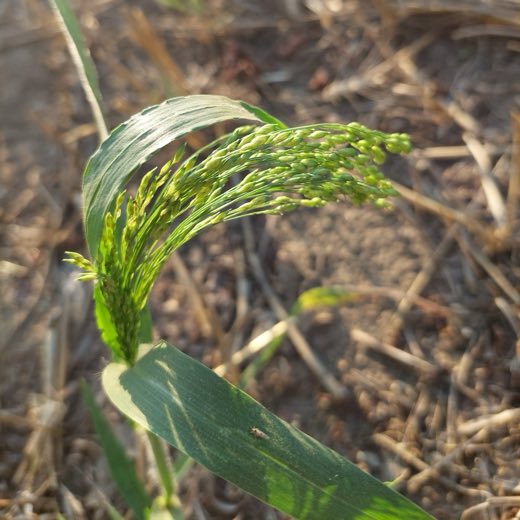
Millet, dochan, is named only once, among the grains of Ezekiel’s bread. The word matches the Arabic dukhn, millet. Millet is a short grass with a head of tiny seeds that grows in hot, dry summers, so it could follow the winter crops. By another view dochan was sorghum, a taller grain from Africa, though it probably came to the land later. Both make a poorer bread than wheat, and mixing them into flour was a sign of hard times.
In nature
All verses with this plant (2)
Where the Hebrew, Aramaic or Greek word for it stands in the text.
Ezekiel2
But take wheat, barley, beans, lentils, millet, and spelt; put them in a single container and make them into bread for yourself. This is what you are to eat during the 390 days you lie on your side.Judah and the land of Israel traded with you; they exchanged wheat from Minnith, cakes and honey, oil and balm for your merchandise.All verses on this topic
See also
- Beans and chickpeasPlants of the Bible
- BreadFood and drink
- Wheat and barleyPlants of the Bible
- Plant names in old and new BiblesPlants of the Bible
Sources: Tyndale Open Bible Dictionary © 2023 Tyndale House Publishers, CC BY-SA 4.0 — adapted and shortened; the original work is available for free at tyndaleopenresources.com · Plants and Trees in the Bible © United Bible Societies 2025, adapted from R. Koops, Each According to its Kind © 2012 UBS, CC BY-SA 4.0 · Sources and rights