Encyclopedia › Sickness and healing
Sickness and healing
Medicine in the ancient world
Egyptian papyri · Babylonian tablets · Hippocrates · oil, wine, figs and splints
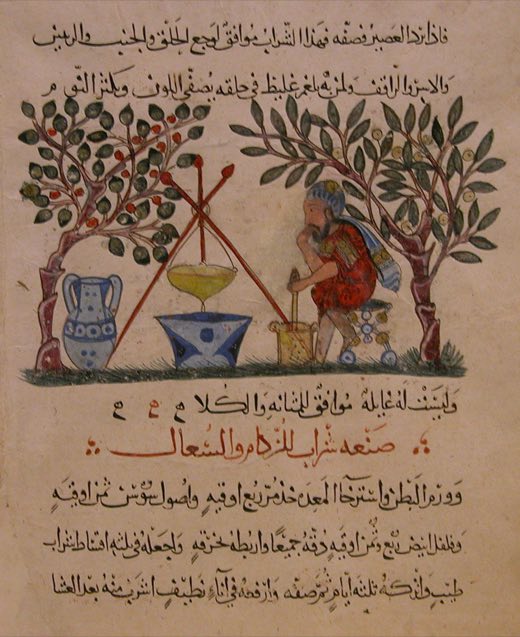
Egypt had the most famous doctors of the ancient Near East. The Edwin Smith Papyrus, copied about 1600 BC, describes wounds and broken bones case by case; the Ebers Papyrus, of about 1550 BC, lists hundreds of remedies, many of them with spells. In Mesopotamia two kinds of healer worked side by side, the asu with plants and ointments and the ashipu with incantations, and King Ashurbanipal’s library at Nineveh kept hundreds of medical tablets. In Greece, from about 400 BC, the writings gathered under the name of Hippocrates looked for natural causes and close observation.
The Bible mentions the remedies of daily life. Isaiah pictures wounds “neither cleansed nor bandaged nor soothed with oil” (Isaiah 1:6); the Samaritan of Jesus’ parable “bandaged his wounds, pouring on oil and wine” (Luke 10:34). Ezekiel speaks of a broken arm “bound up for healing” and “splinted” (Ezekiel 30:21). Isaiah told Hezekiah’s servants, “Prepare a poultice of figs” (2 Kings 20:7), and Paul advised Timothy to “use a little wine … because of your stomach” (1 Timothy 5:23). Mandrakes, which Rachel begged from Leah (Genesis 30:14), were thought in the ancient world to help a woman conceive.
Key verses
From the sole of your foot to the top of your head, there is no soundness— only wounds and welts and festering sores neither cleansed nor bandaged nor soothed with oil.He went to him and bandaged his wounds, pouring on oil and wine. Then he put him on his own animal, brought him to an inn, and took care of him.“Son of man, I have broken the arm of Pharaoh king of Egypt. See, it has not been bound up for healing, or splinted for strength to hold the sword.Then Isaiah said, “Prepare a poultice of figs.” So they brought it and applied it to the boil, and Hezekiah recovered.Stop drinking only water and use a little wine instead, because of your stomach and your frequent ailments.Now during the wheat harvest, Reuben went out and found some mandrakes in the field. When he brought them to his mother, Rachel begged Leah, “Please give me some of your son’s mandrakes.”See also
- Olive oilFood and drink
- Ointments, poultices and bandagesSickness and healing
- What skeletons tellHow the Bible’s world is studied
- Asclepius and the healing shrinesThe Greek world of Paul
Sources: Tyndale Open Bible Dictionary © 2023 Tyndale House Publishers, CC BY-SA 4.0 — adapted and shortened; the original work is available for free at tyndaleopenresources.com · Sources and rights