Encyclopedia › Jewish groups and the Roman world
Jewish groups and the Roman world
The Twelve
Four lists of names · Peter first, Judas Iscariot last · Matthias chosen by lot · twelve tribes
From the wider circle of His followers Jesus “appointed twelve of them, whom He designated as apostles, to accompany Him, to be sent out to preach” (Mark 3:14). The New Testament gives their names four times (Matthew 10, Mark 3, Luke 6, Acts 1). Every list begins with Simon Peter and puts Philip fifth and James son of Alphaeus ninth; the three Gospel lists end with Judas Iscariot. Most names are the same in all four, but where Matthew and Mark name Thaddaeus, Luke and Acts have “Judas son of James”; most readers take them to be one man known by two names. Among the Twelve were two pairs of brothers who were fishermen, Matthew the tax collector, and “Simon the Zealot”.
The number was not chosen by chance. Jesus told them, “you who have followed Me will also sit on twelve thrones, judging the twelve tribes of Israel” (Matthew 19:28). After Judas’ betrayal and death the apostles filled his place: two men who had been with them from John’s baptism to the Ascension were put forward, “they cast lots, and the lot fell to Matthias” (Acts 1:26). Of most of the Twelve the New Testament says little after Pentecost; later traditions tell of their journeys and deaths in many lands.
In art
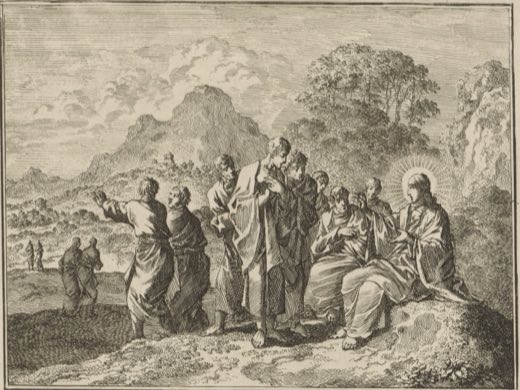 Jesus Sends Out the Twelve
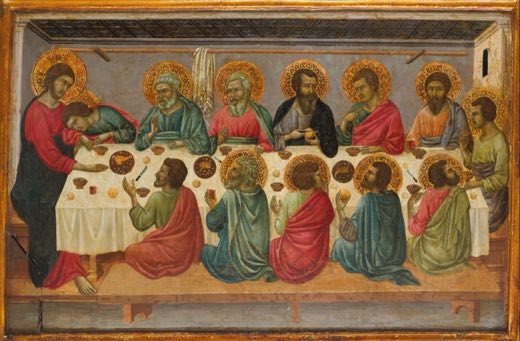 The Last Supper
See also
- FishermanWork and trades
- Tax collectorWork and trades
- Zealots and sicariiJewish groups and the Roman world
- Lots, Urim and ThummimTabernacle and temple
- The upper room of the Last SupperBuildings and structures
- The women who followed JesusJewish groups and the Roman world
- PeterPeople
- AndrewPeople
- Philip (John)People
- MatthiasPeople
- JudasPeople
Sources: Tyndale Open Bible Dictionary © 2023 Tyndale House Publishers, CC BY-SA 4.0 — adapted and shortened; the original work is available for free at tyndaleopenresources.com · Sources and rights