Food and drink
Leaven
Hebrew se’or (sourdough), chamets (leavened) · Greek zymē · a lump of old dough kept back
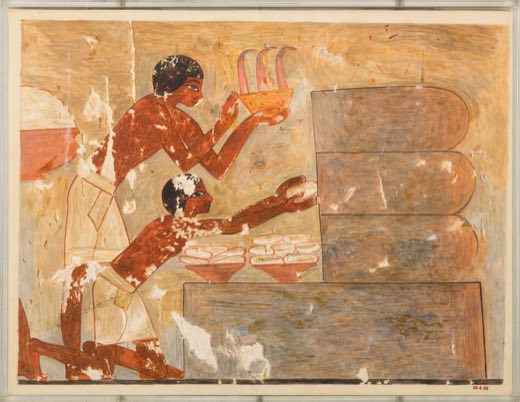
Bread in the Bible was raised not with bought yeast but with leaven: a lump of dough kept back from the last baking and left to sour. Worked into fresh flour and water, it spread through the batch overnight. The word se’or means this piece of sour dough; chamets is anything leavened. Bread baked in haste had no time to rise, and so travelers, soldiers and people in a hurry ate flat unleavened cakes.
At Passover leaven was cleared out of every house: “For seven days you must eat unleavened bread. On the first day you are to remove the leaven from your houses” (Exodus 12:15). It was also kept off the altar — “No grain offering that you present to the LORD may be made with leaven” (Leviticus 2:11) — though leavened loaves were brought at the Feast of Weeks and with some peace offerings, not to be burned.
Because a little leaven changes the whole lump, it became a common picture. Jesus said, “The kingdom of heaven is like leaven that a woman took and mixed into three measures of flour, until all of it was leavened” (Matthew 13:33), and he warned, “Beware of the leaven of the Pharisees and Sadducees” (Matthew 16:6). Paul twice quoted a saying: “A little leaven works through the whole batch of dough” (Galatians 5:9; 1 Corinthians 5:6).
See also
- BreadFood and drink
- Flour and fine flourFood and drink
- Passover and Unleavened BreadFeasts and festivals
- The grain offeringTabernacle and temple
Sources: Tyndale Open Bible Dictionary © 2023 Tyndale House Publishers, CC BY-SA 4.0 — adapted and shortened; the original work is available for free at tyndaleopenresources.com · Sources and rights