The desert
Wilderness and desert
Hebrew midbar · Negev, “the south” · Arabah · rock, steppe and seasonal pasture, seldom sand
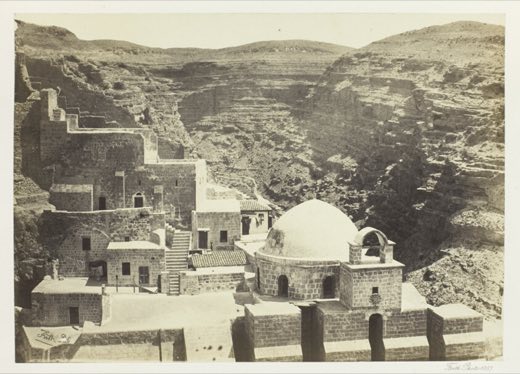
The wilderness of the Bible is seldom a sea of sand. The commonest Hebrew word, midbar, is probably linked with driving flocks to pasture: it is open, unsettled land of rock, gravel and dry valleys, where grass springs up after the winter rains. Moses was shepherding Jethro’s flock when “he led the flock to the far side of the wilderness” (Exodus 3:1), and a psalm sings, “The pastures of the wilderness overflow” (Psalm 65:12). Other words name the land more exactly. The Negev, “the dry land”, came to mean simply “the south”: the country around Beersheba, where farmers raised a little grain in good years and herdsmen kept sheep, goats and camels. The Arabah is the deep rift of the Jordan Valley, the Dead Sea and the valley that runs on to the Gulf of Aqaba, and Jeshimon, “desolation”, is wasteland by the Dead Sea.
The desert could be feared: Jeremiah remembers “a land of deserts and pits, a land of drought and darkness, a land where no one travels and no one lives” (Jeremiah 2:6). Yet the prophets also pictured it in flower: “the desert will rejoice and blossom like a rose” (Isaiah 35:1).
Key verses
Meanwhile, Moses was shepherding the flock of his father-in-law Jethro, the priest of Midian. He led the flock to the far side of the wilderness and came to Horeb, the mountain of God.The pastures of the wilderness overflow; the hills are robed with joy.They did not ask, ‘Where is the LORD who brought us up from the land of Egypt, who led us through the wilderness, through a land of deserts and pits, a land of drought and darkness, a land where no one travels and no one lives?’The wilderness and the land will be glad; the desert will rejoice and blossom like a rose.See also
- Red sky, east wind and rainThe sky of the Bible
- From Hermon to the Negev: the land’s climatesWeather and the forces of nature
- Bible maps and journeysExplore · Journeys, pilgrims’ routes and old maps
Sources: Tyndale Open Bible Dictionary © 2023 Tyndale House Publishers, CC BY-SA 4.0 — adapted and shortened; the original work is available for free at tyndaleopenresources.com · Sources and rights